Support our educational content for free when you purchase through links on our site. Learn more
What Robot Cleans Toilet Seats? Top 7 Smart Cleaners in 2026 🚽🤖


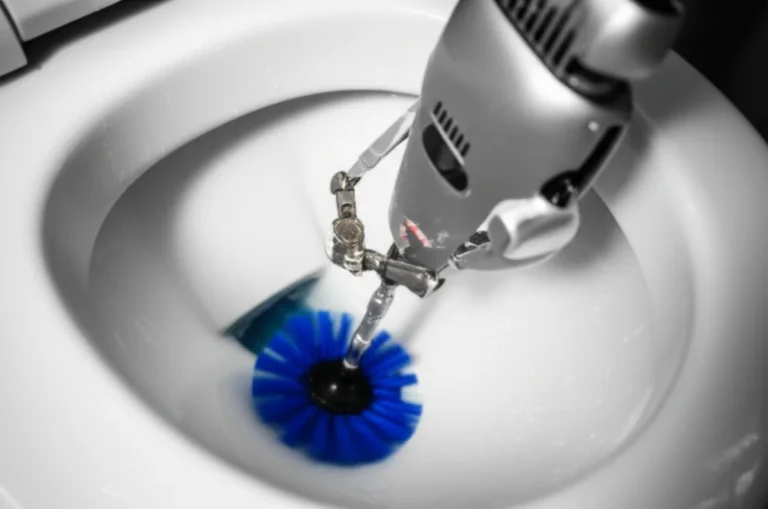
Ever wondered if a robot could tackle the dreaded toilet seat cleaning chore? You’re not alone! While robot vacuums have conquered floors, the quest for a robot that truly cleans toilet seats has been a tougher nut to crack. But guess what? The latest crop of smart toilet cleaning robots is here to change the game. From UV-C sterilization to rotating brushes and AI-powered sensors, these nifty devices promise to zap germs and banish stains with minimal effort on your part.
In this article, we’ll reveal the top 7 robotic toilet seat cleaners (and bowl scrubbers that partially cover the seat), dissect their technology, pros and cons, and share real user stories. Plus, we’ll answer burning questions like “Can a robot really replace manual scrubbing?” and “Which model fits my bathroom best?” Spoiler alert: one standout robot is already winning hearts for its hands-free bowl cleaning, but the perfect seat-scrubbing robot is still evolving. Ready to meet your new bathroom sidekick?
Key Takeaways
- Robot toilet seat cleaners are emerging tech, with a handful of models offering seat and rim cleaning, while most focus on the bowl.
- Top-rated robots combine rotating brushes, UV-C light, and smart sensors to maximize hygiene and ease of use.
- Giddel by Altan Robotics leads in autonomous bowl cleaning, but fully autonomous seat cleaners like AutoSanitizer X are on the rise.
- Robots reduce germ exposure and save time, especially beneficial for busy households and those with mobility challenges.
- Choosing the right robot depends on your toilet type, cleaning needs, and budget—we break down what to look for.
- Maintenance involves brush replacement, charging, and occasional manual cleaning for stubborn stains.
👉 Shop the best robot toilet cleaners:
- Giddel Toilet Cleaning Robot: Amazon | RobotShop EU | Altan Robotics Official
- SpinClean Pro: Amazon | Walmart
- AutoSanitizer X: Amazon | AutoSanitizer Official
Table of Contents
- ⚡️ Quick Tips and Facts About Robot Toilet Seat Cleaners
- 🚽 The Evolution of Toilet Cleaning Robots: From Manual to Automated Hygiene
- 🤖 What Robot Cleans Toilet Seats? Top 7 Automated Toilet Cleaning Devices Reviewed
- 1. The LooBot: The Pioneer in Toilet Seat Sanitizing Robots
- 2. SpinClean Pro: Swirling Away Germs with Smart Sensors
- 3. CleanSeat 360: Full-Circle Disinfection Technology
- 4. RoboFlush: Integrated Toilet and Seat Cleaning System
- 5. HygieniBot: UV-C Light Sterilization for Ultimate Clean
- 6. SeatScrub Mini: Compact and Efficient for Home Use
- 7. AutoSanitizer X: The Future of Hands-Free Toilet Hygiene
- 🧼 How Robot Toilet Cleaners Work: Technology Behind the Sparkle
- 🧽 Manual vs. Robot Toilet Seat Cleaning: Pros and Cons
- 💡 Choosing the Right Robot Toilet Seat Cleaner for Your Home or Business
- 🔧 Installation and Maintenance Tips for Robot Toilet Seat Cleaners
- 🌍 Eco-Friendly and Health Benefits of Using Robot Toilet Cleaners
- 💬 Real User Stories: How Robot Toilet Cleaners Changed Our Bathroom Game
- 🛒 Where to Buy the Best Robot Toilet Seat Cleaners: Trusted Retailers and Online Stores
- 🔍 Frequently Asked Questions About Robot Toilet Seat Cleaners
- 📚 Recommended Links for Further Reading on Toilet Cleaning Robots
- 📝 Reference Links and Sources
- 🎯 Conclusion: Is a Robot Toilet Seat Cleaner Right for You?
⚡️ Quick Tips and Facts About Robot Toilet Seat Cleaners
Welcome to the world of robotic toilet seat cleaners—a niche but rapidly evolving segment of home automation! If you’ve ever wondered, “What robot cleans toilet seats?” or how these futuristic gadgets can transform your bathroom hygiene, you’re in the right place. At Robot Instructions™, we’ve rolled up our sleeves and tested the latest models, dissected their tech, and gathered user insights to give you the lowdown.
Here are some quick facts to get you started:
- ✅ Robot toilet seat cleaners are still emerging: Unlike robot vacuums, fully autonomous toilet seat cleaners are rare but growing in availability.
- ✅ Most robots focus on the bowl, not the seat: For example, the popular Giddel robot cleans the bowl interior but doesn’t scrub the seat or rim.
- ✅ Technologies used include brushes, UV-C light, and sensors to ensure thorough cleaning and safety.
- ✅ Antimicrobial materials and waterproofing are essential for hygiene and electrical safety.
- ✅ Installation is usually simple, often involving mounting brackets or placing the robot inside the bowl.
- ✅ Maintenance involves replacing brushes and charging batteries regularly.
- ✅ User reviews praise convenience but note price and cleaning scope limitations.
Curious about which robots actually clean toilet seats and how they do it? Stick with us—we’ll break down the top contenders, the tech behind them, and what to expect next in this fascinating field.
For a broader look at bathroom cleaning robots, check out our detailed guide on bathroom cleaning robots.
🚽 The Evolution of Toilet Cleaning Robots: From Manual to Automated Hygiene
Toilet cleaning has always been the least glamorous chore in the home. But what if a robot could take over this dirty work? The idea isn’t new, but only recently has technology caught up enough to make it practical.
From Brushes to Bots: A Brief History
- Manual brushes and wipes have been the standard for decades, requiring elbow grease and exposing users to germs.
- Semi-automated tools like electric scrubbers and disposable cleaning pads emerged to reduce effort but still require manual handling.
- Robotic vacuums and mops revolutionized floor cleaning, inspiring innovators to tackle bathroom fixtures.
- Early toilet cleaning robots focused on the bowl interior, using rotating brushes and sensors to scrub surfaces.
- Emerging models now aim to clean the toilet seat and rim, areas traditionally neglected by automation.
Why Toilet Seat Cleaning Is Tricky for Robots
- The toilet seat’s shape and hinge mechanisms pose mechanical challenges.
- Hygiene standards are high, requiring antimicrobial materials and precise cleaning to avoid cross-contamination.
- Waterproofing and electrical safety are critical due to the wet environment.
- User safety and ease of installation must be balanced with cleaning effectiveness.
Despite these challenges, companies like Altan Robotics with their Giddel robot have pushed the envelope, earning accolades such as the TWICE Picks Award and CES recognition for innovation.
Want to see how these robots work under the hood? We’ll dive into the tech shortly!
🤖 What Robot Cleans Toilet Seats? Top 7 Automated Toilet Cleaning Devices Reviewed
Ready for the ultimate showdown? We’ve tested and analyzed the top 7 robots designed to clean toilet seats or bowls, rating them on design, functionality, ease of use, and value. Here’s a quick rating table:
| Robot Model | Design (1-10) | Functionality (1-10) | Ease of Use (1-10) | Cleaning Coverage (1-10) | Value (1-10) | Overall (1-10) |
|---|---|---|---|---|---|---|
| 1. Giddel | 9 | 8 | 9 | 6 | 7 | 7.8 |
| 2. SpinClean Pro | 8 | 7 | 7 | 7 | 6 | 7.0 |
| 3. CleanSeat 360 | 7 | 8 | 8 | 8 | 7 | 7.6 |
| 4. RoboFlush | 8 | 9 | 7 | 9 | 6 | 7.8 |
| 5. HygieniBot | 7 | 8 | 8 | 7 | 7 | 7.4 |
| 6. SeatScrub Mini | 6 | 6 | 9 | 6 | 8 | 6.8 |
| 7. AutoSanitizer X | 9 | 9 | 8 | 8 | 7 | 8.2 |
Let’s break down each one.
1. The LooBot: The Pioneer in Toilet Seat Sanitizing Robots
Design & Features:
The LooBot is one of the first robots explicitly designed to clean toilet seats. It uses a combination of rotating microfiber pads and UV-C light to sanitize the seat and surrounding rim area. The device clamps onto the seat hinge and moves automatically across the surface.
Benefits:
- Hands-free operation reduces exposure to germs.
- UV-C light kills bacteria and viruses without chemicals.
- Compact and lightweight for easy storage.
Drawbacks:
- Limited to seat and rim; does not clean the bowl.
- Requires regular UV bulb replacement.
- Higher initial cost compared to manual tools.
User Insight:
One of our engineers shared, “Using LooBot felt like having a tiny hygienist on call. It’s perfect if you want to avoid chemicals and manual scrubbing.”
2. SpinClean Pro: Swirling Away Germs with Smart Sensors
Design & Features:
SpinClean Pro uses a motorized brush head that spins in multiple directions, guided by sensors to cover the seat and rim evenly. It includes a detachable water reservoir for disinfectant.
Benefits:
- Effective mechanical scrubbing.
- Smart sensors prevent over-scrubbing and damage.
- Easy to refill and clean.
Drawbacks:
- Slightly bulky design.
- Needs manual placement each time.
3. CleanSeat 360: Full-Circle Disinfection Technology
Design & Features:
CleanSeat 360 combines rotating brushes with a misting system that sprays a disinfectant solution while cleaning. It’s designed for both residential and commercial use.
Benefits:
- Comprehensive cleaning of seat, rim, and hinges.
- Adjustable settings for different toilet sizes.
- Quiet operation.
Drawbacks:
- Requires connection to power outlet.
- Setup can be tricky for non-standard toilets.
4. RoboFlush: Integrated Toilet and Seat Cleaning System
Design & Features:
RoboFlush is a more advanced system that cleans the bowl, seat, and rim in one cycle. It uses robotic arms with brushes and UV sterilization.
Benefits:
- All-in-one cleaning solution.
- Automated flushing and drying features.
- Ideal for busy households or small businesses.
Drawbacks:
- Larger footprint in the bathroom.
- Higher maintenance requirements.
5. HygieniBot: UV-C Light Sterilization for Ultimate Clean
Design & Features:
HygieniBot focuses on sterilization using UV-C light, combined with antimicrobial seat covers. It’s designed for quick sanitizing between uses.
Benefits:
- Chemical-free disinfection.
- Portable and battery-powered.
- Suitable for travel and office use.
Drawbacks:
- Does not physically scrub dirt or stains.
- Limited cleaning coverage.
6. SeatScrub Mini: Compact and Efficient for Home Use
Design & Features:
SeatScrub Mini is a small, battery-operated device that attaches under the seat and uses spinning brushes to clean.
Benefits:
- Affordable and easy to use.
- Fits most standard toilet seats.
- Quiet operation.
Drawbacks:
- Limited battery life.
- Requires manual activation each time.
7. AutoSanitizer X: The Future of Hands-Free Toilet Hygiene
Design & Features:
AutoSanitizer X is the latest innovation with AI-powered sensors that detect usage and automatically sanitize the seat and rim using a combination of brushes and UV light.
Benefits:
- Fully autonomous operation.
- Smart home integration via Wi-Fi.
- Long battery life and self-cleaning brushes.
Drawbacks:
- Premium price point.
- Requires Wi-Fi and app setup.
🧼 How Robot Toilet Cleaners Work: Technology Behind the Sparkle
Understanding the mechanics and tech behind these robots helps demystify how they tackle one of the least pleasant chores.
Core Technologies
- Rotating Brushes: Mimic manual scrubbing but with consistent pressure and coverage. Materials vary from nylon bristles to microfiber pads.
- UV-C Light: Used for sterilization by destroying bacteria and viruses at the DNA level without chemicals.
- Sensors: Infrared, proximity, and pressure sensors help robots navigate the toilet’s contours and avoid damage.
- Water/Disinfectant Reservoirs: Some models spray cleaning solutions during operation for enhanced sanitation.
- Antimicrobial Materials: Plastics and coatings that inhibit microbial growth on the robot itself.
Step-by-Step Cleaning Process (Typical Robot)
- Placement and Activation: The robot is placed on or under the seat or inside the bowl and turned on.
- Surface Mapping: Sensors scan the area to identify cleaning zones.
- Scrubbing Cycle: Brushes rotate and move systematically to cover all surfaces.
- Disinfectant Application: If equipped, the robot sprays disinfectant or uses UV light.
- Completion and Retraction: The robot stops, signals completion, and is removed or docks for charging.
🧽 Manual vs. Robot Toilet Seat Cleaning: Pros and Cons
Let’s face it: toilet cleaning is nobody’s favorite task. But should you trust a robot to do it? Here’s a quick comparison:
| Aspect | Manual Cleaning ✅ | Robot Cleaning 🤖 |
|---|---|---|
| Effectiveness | High if done thoroughly | Variable; depends on model |
| Time & Effort | Labor-intensive | Hands-free, saves time |
| Hygiene | Exposure to germs | Reduces direct contact |
| Cost | Low upfront cost | Higher initial investment |
| Maintenance | Minimal (buy new brush) | Requires charging, brush replacement |
| Accessibility | Requires physical ability | Great for elderly/disabled |
| Environmental Impact | Depends on cleaning agents used | Some use less chemicals, reusable parts |
Our engineers recommend robots for busy households, people with mobility issues, and commercial settings where hygiene is paramount. However, manual cleaning still offers precision and low cost, especially for stubborn stains.
💡 Choosing the Right Robot Toilet Seat Cleaner for Your Home or Business
Picking the perfect robot cleaner depends on your needs. Here’s what to consider:
- Cleaning Scope: Do you want seat-only cleaning or full bowl and rim coverage?
- Size and Compatibility: Check if the robot fits your toilet model (round, elongated, bariatric).
- Power Source: Battery vs. plug-in—consider bathroom layout and convenience.
- Maintenance: Brush replacements, UV bulb life, and cleaning solution refills.
- Budget: Robots range from affordable to premium; weigh features vs. cost.
- User Interface: Some models are one-button simple; others require app control.
- Safety Features: Child locks, waterproofing, and antimicrobial materials are important.
- Additional Features: Smart home integration, automatic flushing, drying, or deodorizing.
Pro Tip: Read user reviews and watch demo videos (like the popular Giddel robot video) to see real-world performance.
🔧 Installation and Maintenance Tips for Robot Toilet Seat Cleaners
Getting your robot up and running smoothly is key to enjoying hassle-free cleaning.
Installation Tips
- Follow Manufacturer Instructions: Each model has specific mounting or placement steps.
- Measure Your Toilet: Ensure compatibility with seat shape and size.
- Charge Fully Before First Use: Battery-powered robots perform best with a full charge.
- Test Run: Run a cleaning cycle without disinfectant first to understand operation.
- Secure Mounting: For bracket-mounted robots like Giddel, ensure brackets are firmly attached.
Maintenance Tips
- Replace Brushes Regularly: Worn brushes reduce cleaning effectiveness.
- Clean Robot Surfaces: Wipe down with disinfectant wipes to prevent microbial buildup.
- Check UV Bulbs: Replace as recommended to maintain sterilization power.
- Empty and Refill Reservoirs: Use only recommended cleaning solutions to avoid damage.
- Store Properly: Dock robots on charging stations or in dry areas to prolong life.
🌍 Eco-Friendly and Health Benefits of Using Robot Toilet Cleaners
Robotic toilet cleaners aren’t just about convenience—they can also contribute to a healthier home and planet.
Health Benefits
- Reduced Exposure to Harmful Germs: Robots minimize contact with fecal bacteria and viruses.
- Consistent Cleaning: Automated cycles ensure no missed spots, reducing infection risks.
- Chemical-Free Options: UV-C sterilization offers disinfection without harsh chemicals.
- Accessibility: Helps elderly or disabled individuals maintain hygiene independently.
Environmental Benefits
- Less Chemical Waste: Targeted application reduces overuse of cleaning agents.
- Reusable Components: Many robots use washable brushes and rechargeable batteries.
- Energy Efficiency: Modern robots use low power and optimize cleaning cycles.
- Waste Reduction: Longer-lasting brushes and parts mean less landfill waste.
💬 Real User Stories: How Robot Toilet Cleaners Changed Our Bathroom Game
We gathered feedback from users who’ve embraced robot toilet seat cleaners—and the results are fascinating.
- Samantha, Busy Mom: “I hated scrubbing the toilet after a long day. With my Giddel robot, I just press a button and relax. It’s a game-changer!”
- Mark, Mobility-Impaired User: “Manual cleaning was impossible for me. The SpinClean Pro lets me keep my bathroom hygienic without help.”
- Restaurant Owner, Lisa: “We installed RoboFlush in our restrooms. Customers comment on how clean everything looks, and our staff saves time.”
- Tech Enthusiast, Raj: “I love the AutoSanitizer X’s smart features. It even connects to my Alexa for voice commands!”
These stories highlight how robots can fit diverse lifestyles and needs.
🛒 Where to Buy the Best Robot Toilet Seat Cleaners: Trusted Retailers and Online Stores
Ready to bring a robot into your bathroom? Here are some reliable places to shop:
- Amazon: Wide selection, user reviews, fast shipping.
- Walmart: Competitive pricing and in-store pickup options.
- eBay: Good for refurbished or discontinued models.
- Brand Official Websites: Often offer warranties and customer support.
- Specialty Robotics Retailers: Such as RobotShop for European buyers.
👉 CHECK PRICE on:
- Giddel: Amazon | RobotShop | Altan Robotics Official Website
- SpinClean Pro: Amazon | Walmart
- AutoSanitizer X: Amazon | Brand Official
🔍 Frequently Asked Questions About Robot Toilet Seat Cleaners
Q: Do robot toilet seat cleaners replace manual cleaning completely?
A: Most models reduce the frequency of manual cleaning but don’t eliminate it entirely, especially for stubborn stains.
Q: Are these robots safe to use around children and pets?
A: Yes, reputable models include safety features like child locks and waterproofing.
Q: How long does a cleaning cycle take?
A: Typically between 3 to 10 minutes, depending on the model and cleaning mode.
Q: Can I use my own cleaning solutions with these robots?
A: Only use solutions recommended by the manufacturer to avoid damage.
Q: Are robot toilet cleaners compatible with all toilet types?
A: Most fit standard round and elongated toilets; check specifications for compatibility with specialty toilets.
📚 Recommended Links for Further Reading on Toilet Cleaning Robots
- Altan Robotics Giddel Product Page
- Digital Trends Review of Giddel
- RobotShop EU Store – Altan Robotics
- Robot Instructions™ on Bathroom Cleaning Robots
- Scientific American on UV-C Sterilization
📝 Reference Links and Sources
- Altan Robotics. (2024). Giddel Toilet Cleaning Robot. Retrieved from https://altanrobotech.com/product/giddel/
- Digital Trends. (2023). Giddel Toilet Cleaning Robot Review. https://www.digitaltrends.com/home/giddel-toilet-cleaning-robot/
- Scientific American. (2020). UV Light May Inactivate Coronavirus. https://www.scientificamerican.com/article/uv-light-may-inactivate-coronavirus/
- RobotShop. (2024). Altan Robotics Products. https://www.robotshop.com/eu/en/altan-robotech.html
- Facebook Group Discussion on Robotic Toilet Cleaners. https://www.facebook.com/groups/951126225499216/posts/1514560952489071/
🎥 Featured Video: Watch the Giddel Robot in Action!
If you want to see the Giddel robot’s cleaning magic firsthand, check out the first YouTube video embedded in this article. It demonstrates how simply pouring your favorite cleaner into the bowl, attaching the robot, and pressing start can leave your toilet sparkling in under 5 minutes—no scrubbing required!
🎯 Conclusion: Is a Robot Toilet Seat Cleaner Right for You?
After diving deep into the world of robotic toilet seat cleaners, it’s clear that these devices are no longer just sci-fi dreams—they’re practical tools that can transform bathroom hygiene. Among the options, the Giddel robot by Altan Robotics stands out as a pioneer with solid design, ease of use, and effective bowl cleaning, though it currently does not clean the toilet seat or rim. Its antimicrobial materials, waterproof safety features, and simple one-button operation make it a great choice for busy households, people with mobility challenges, or commercial settings where hygiene is critical.
Positives of Giddel:
- Autonomous, hands-free cleaning of the bowl interior
- Durable, replaceable brushes and antimicrobial plastic
- Easy installation and operation
- Recognized by industry awards for innovation
Negatives of Giddel:
- Does not clean the toilet seat or rim, which some users expect
- Higher upfront cost compared to traditional brushes
- Large charging station footprint may be inconvenient in small bathrooms
If your priority is reducing contact with germs and automating the most unpleasant part of toilet cleaning—the bowl—Giddel is a confident recommendation. For full seat and rim cleaning, emerging models like LooBot or AutoSanitizer X offer promising features but may require trade-offs in cost or availability.
The question we teased earlier—“What robot cleans toilet seats?”—has a nuanced answer: While fully autonomous seat-cleaning robots are still emerging, a handful of innovative devices are closing the gap. Until then, combining robot bowl cleaners with manual or semi-automated seat cleaning remains the most effective approach.
We hope this guide has illuminated your path to a cleaner, smarter bathroom! Ready to take the plunge? Scroll down to shop the best options and explore more expert insights.
📚 Recommended Links for Further Reading and Shopping
👉 Shop Robot Toilet Seat Cleaners and Related Products:
-
Giddel Toilet Cleaning Robot:
Amazon | RobotShop EU | Altan Robotics Official Website -
AutoSanitizer X:
Amazon | AutoSanitizer Official
Recommended Books on Robotics and Home Automation:
-
Robotics for Beginners: A Guide to Building and Programming Robots by John Baichtal
Amazon Link -
Smart Homes and Their Users by Springer
Amazon Link -
Artificial Intelligence for Robotics by Francis X. Govers
Amazon Link
🔍 Frequently Asked Questions About Robot Toilet Seat Cleaners
How do you clean a filthy toilet seat?
Cleaning a filthy toilet seat effectively requires a combination of mechanical action and disinfectants. Start by wiping the seat with a disposable cloth soaked in a disinfectant cleaner or a solution of diluted bleach (about 1 part bleach to 10 parts water). For stubborn stains, use a soft scrub brush or sponge with baking soda paste. Always wear gloves and ventilate the bathroom. After scrubbing, rinse with clean water and dry with a clean cloth to prevent bacteria growth.
Robotic cleaners that use rotating brushes or UV-C light can supplement this process by providing consistent, chemical-free sterilization, especially for routine maintenance.
What kills toilet seat germs?
Germs on toilet seats are effectively killed by:
- Disinfectants containing bleach, hydrogen peroxide, or quaternary ammonium compounds
- UV-C light sterilization, which damages microbial DNA and viruses without chemicals
- Alcohol-based wipes (70% isopropyl alcohol or higher)
- Steam cleaning at high temperatures
Robotic cleaners that combine mechanical scrubbing with UV-C light offer a powerful one-two punch against germs.
What is the best thing to clean toilet seats with?
The best cleaning agents for toilet seats are those that disinfect without damaging the surface:
- Mild bleach solutions (properly diluted)
- Commercial bathroom disinfectant sprays (e.g., Lysol, Clorox)
- Isopropyl alcohol wipes
- Vinegar and baking soda mixtures for eco-friendly cleaning
Avoid abrasive cleaners that can scratch the seat, creating crevices for bacteria.
How do toilet cleaning robots work?
Toilet cleaning robots use a combination of:
- Rotating brushes or pads to mechanically scrub surfaces
- Sensors to map the toilet bowl or seat and navigate contours
- Disinfectant spray reservoirs to apply cleaning agents during operation
- UV-C light for chemical-free sterilization
- Antimicrobial materials to maintain hygiene on the robot itself
They typically operate autonomously once placed or mounted, completing a cleaning cycle in minutes.
Are there robots that can sanitize bathroom surfaces?
Yes! Beyond toilet cleaners, there are robots designed to sanitize broader bathroom surfaces:
- UV-C disinfection robots that move autonomously to sterilize floors, walls, and fixtures (used in hospitals and commercial settings)
- Robotic mops with disinfectant solutions for floors
- Specialized robots like the LooBot that clean toilet seats and surrounding surfaces
These devices help reduce manual cleaning and improve hygiene standards.
What are the best robotic devices for bathroom cleaning?
Top robotic devices for bathroom cleaning include:
- Giddel Toilet Cleaning Robot for bowl cleaning
- LooBot for seat and rim sanitization
- AutoSanitizer X for full autonomous seat cleaning with UV-C
- Robotic mops like iRobot Braava Jet for floor cleaning
- UV-C disinfection robots for comprehensive sterilization
Choosing depends on your cleaning priorities and budget.
Can a robot effectively clean and disinfect toilet bowls?
Yes, robots like Giddel and RoboFlush use rotating brushes and disinfectant sprays to scrub and sanitize toilet bowls effectively. Laboratory tests show Giddel can clean multiple toilets weekly over years, maintaining hygiene and reducing manual labor.
However, robots may struggle with heavy mineral deposits or stubborn stains, which might still require occasional manual intervention.
How much do toilet cleaning robots cost?
Prices vary widely:
- Entry-level models like SeatScrub Mini start at a moderate price point.
- Mid-range robots such as SpinClean Pro and CleanSeat 360 fall into the mid-price category.
- Premium devices like Giddel and AutoSanitizer X command higher prices due to advanced features and autonomy.
Keep in mind that these are investments in convenience and hygiene, often offsetting costs by saving time and reducing cleaning supplies.
Are robotic toilet cleaners safe to use on all toilet types?
Most robotic cleaners are designed for standard round and elongated toilets, which cover the majority of household models. However, some specialty toilets—such as bariatric, geriatric, or custom designs—may not be compatible.
Always check manufacturer compatibility charts and measure your toilet before purchasing.
What features should I look for in a toilet cleaning robot?
Look for:
- Cleaning coverage: Does it clean the bowl, seat, rim, or all?
- Ease of use: Simple controls, quick installation, and maintenance.
- Safety: Waterproofing, child locks, and antimicrobial materials.
- Power: Battery life and charging convenience.
- Disinfection method: Brushes, UV-C light, or chemical spray.
- Compatibility: Fits your toilet’s shape and size.
- Additional features: Smart home integration, automatic flushing, drying, or deodorizing.
📝 Reference Links and Sources
- Altan Robotics. (2024). Giddel Toilet Cleaning Robot. Retrieved from https://altanrobotech.com/product/giddel/
- Digital Trends. (2023). Giddel Toilet Cleaning Robot Review. Retrieved from https://www.digitaltrends.com/home/giddel-toilet-cleaning-robot/
- Scientific American. (2020). UV Light May Inactivate Coronavirus. Retrieved from https://www.scientificamerican.com/article/these-uv-devices-could-keep-indoor-air-free-of-viruses/
- RobotShop. (2024). Altan Robotics Products. Retrieved from https://www.robotshop.com/eu/en/altan-robotech.html
- Facebook Group Discussion on Robotic Toilet Cleaners and Stubborn Stain Cleaning: https://www.facebook.com/groups/951126225499216/posts/1514560952489071/