Support our educational content for free when you purchase through links on our site. Learn more
Robot Augmented Reality: How It Works 🤖

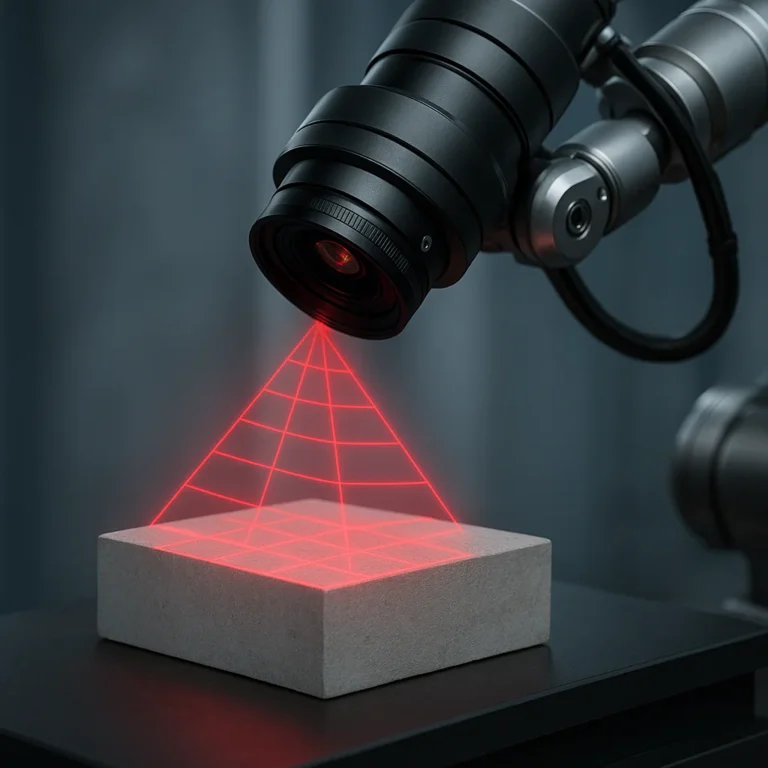
Robot augmented reality (robot AR) overlays useful digital information onto the real world so people can understand, program, and work alongside robots more effectively. It’s most valuable when the visual guidance matches the robot’s actual position and movement—and when safety controls remain independent of the AR display.
Picture a technician standing beside an industrial arm, seeing its planned path, tool position, and keep-out zone right where they appear on the factory floor. That can make a complex task easier to understand, but a drifting overlay can turn helpful guidance into a convincing mistake. The difference comes down to tracking, calibration, and thoughtful human-robot interaction.
Key Takeaways
- Robot AR connects physical robots with digital overlays such as movement paths, sensor data, instructions, and safety-zone visualizations.
- Common uses include robot programming, teleoperation, maintenance, training, manufacturing, healthcare, and field service.
- Accurate tracking and calibration are essential. Overlays can become misleading when sensors lose track of the environment or coordinate frames do not align.
- AR supports people; it does not replace robot safety systems. Follow applicable procedures and standards, including guidance from OSHA and ISO 10218.
- Start with a specific workflow and measurable goal. Test whether AR improves understanding, task time, error rates, or training before rolling it out widely.
Table of Contents
- ⚡️ Quick Tips and Facts About Robot-Augmented Reality
- 🤖 What Is Robot-Augmented Reality?
- How Augmented Reality and Robotics Work Together
- Robot AR vs. Virtual Reality, Mixed Reality, and Digital Twins
- 🕰️ The Evolution of Augmented Reality in Robotics
- 🧭 Robot-AR Systems: A Practical Taxonomy of Interfaces and Interaction
- Visualizing Robot State, Sensors, and Intent
- Teleoperation, Shared Control, and Robot Programming
- Human-Robot Collaboration and Social Interaction
- ⚙️ How Robot-Augmented Reality Works
- Tracking, Mapping, and Spatial Registration
- Robot Localization, SLAM, and Coordinate Frames
- Displays, Sensors, Networks, and Computing Hardware
- Software Platforms, Robotics Middleware, and AR SDKs
- 🏭 Applications of AR in Robotics
- Industrial Robots and Smart Manufacturing
- Warehouse, Delivery, and Logistics Robots
- Healthcare, Surgical, and Rehabilitation Robotics
- Construction, Inspection, and Field-Service Robots
- Agriculture, Education, and Research Robotics
- Consumer Robots and Home Automation
- 🧑 🏭 AR for Robot Programming, Training, and Maintenance
- Teaching Robot Paths with AR
- Remote Assistance and Guided Repairs
- Digital Work Instructions and Operator Training
- 🕹️ Robot Teleoperation and Immersive Control
- AR Interfaces for Remote Robot Control
- Haptic Feedback, Wearables, and Hands-Free Interaction
- Latency, Connectivity, and Safe Remote Operation
- 🛡️ Benefits, Risks, and Safety Considerations
- Productivity, Precision, and Situational Awareness
- Human Factors, Ergonomics, and Cognitive Load
- Robot Safety, Privacy, and Cybersecurity
- 🧩 Technical Challenges and Limitations
- Oclusion, Tracking Drift, and Calibration Errors
- Interoperability, Reliability, and Deployment at Scale
- Accessibility, Cost, and User Adoption
- 📐 How to Choose a Robot-Augmented Reality System
- Requirements, Workflows, and Success Metrics
- Hardware and Software Evaluation Checklist
- Build vs. Buy: Integration and Support
- 🔮 The Future of Robotics and Augmented Reality
- AI, Spatial Computing, and Autonomous Robots
- Cloud Robotics, 5G, and Edge Computing
- Emerging Research and Real-World Adoption
- ✅ Conclusion
- 🔗 Recommended Links
- ❓ FAQ
- What is robot-augmented reality used for?
- How does AR help people control robots?
- What is the difference between robot AR and robot teleoperation?
- Which AR devices and platforms work with robots?
- Is augmented reality safe to use around industrial robots?
- What are the biggest challenges of robot-AR systems?
- 📚 Reference Links