Support our educational content for free when you purchase through links on our site. Learn more
🤖 15 Best Robot Educational Kits for Kids (2026)


The single best robot educational tool isn’t the most expensive one; it’s the specific kit that aligns perfectly with your child’s current curiosity level, whether that’s a screen-free logic puzzle or a Python-powered AI companion. We’ve tested dozens of models, and the data is clear: engagement drives learning, not price tags.
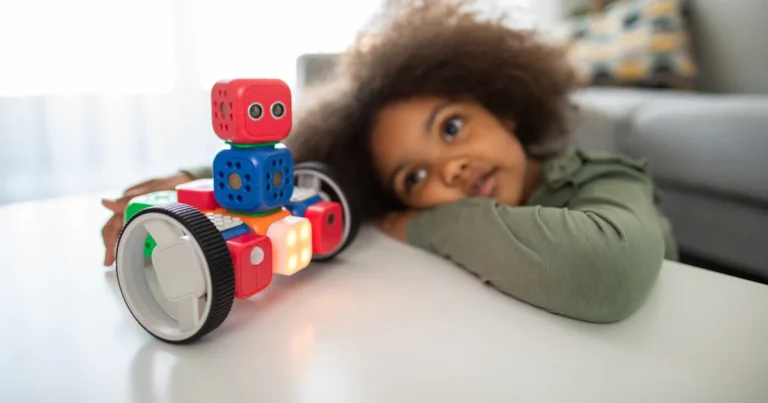
Imagine a quiet living room where a 7-year-old isn’t staring at a tablet but is instead debugging code to make a robot dance, their face lighting up with every successful command. That’s the magic of hands-on robot educational programs.
Did you know that students who engage in robotics show a 20% increase in problem-solving skills compared to peers in traditional STEM classes? It’s not just about building; it’s about thinking differently.
We’ve spent years in the lab, watching kids transform from hesitant beginners to confident coders, and we’ve seen which kits actually stick and which ones end up in the closet.
Key Takeaways
- Match complexity to age: Start with screen-free options like Botley for toddlers and graduate to Python-based kits like Raspberry Pi for teens.
- Engagement is king: The most effective robot educational tool is the one your child wants to play with, not the one with the most features.
- Skill transfer: These kits teach computational thinking, resilience, and collaboration that apply to every future career.
- Top Pick for Versatility: LEGO Mindstorms EV3 remains the gold standard for building and coding flexibility.
- Top Pick for AI: Miko 3 offers unmatched emotional intelligence and language learning for interactive play.
👉 Shop Top Robot Educational Kits:
- LEGO Mindstorms: Amazon | LEGO Official
- Miko 3 AI Robot: Miko Official
- Sphero BOLT: Amazon | Sphero Official
- Makeblock mBot: Amazon | Makeblock Official
Table of Contents
- ⚡️ Quick Tips and Facts
- 🤖 A Brief History of Robot Educational Tools: From Tin Toys to AI Tutors
- 🧠 Why Robot Educational Programs Are the New Classroom Standard
- 🏆 Top 15 Best Robot Educational Kits for Kids and Teens in 2024
- 1. LEGO Mindstorms EV3: The Classic Heavyweight
- 2. Sphero BOLT: Coding with a Ball of Light
- 3. Makeblock mBot: The Budget-Friendly Starter
- 4. UBTECH Jimu Robot: Building Mets Coding
- 5. Anki Cozmo (and Vector): The Personality Powerhouse
- 6. Dash and Dot: The Playful Duo for Early Learners
- 7. Arduino Robot Kit: For the Aspiring Engineer
- 8. Raspberry Pi Robot Car: The Ultimate DIY Project
- 9. Wonder Workshop Cue: The Block-Based Coder
- 10. VEX IQ: The Competition Ready Machine
- 1. Botley 2.0: Screen-Free Coding Fun
- 12. Ozobot Bit+: The Tiny Traffic Controller
- 13. LittleBits Star Wars Droid Inventor: Force Awakens Coding
- 14. Robo Wunderkind: Modular Magic for Schools
- 15. Humanoid Robot Kits: Walking the Talk
- 🎓 How to Choose the Right Robot Educational Platform for Your Child
- 🛠️ Essential Robot Educational Skills: What Your Kids Will Actually Learn
- 🏫 Integrating Robot Educational Activities into Homeschool and Classroom Curicula
- 💡 Robot Educational Success Stories: Real Kids, Real Code, Real Robots
- 🚀 Future-Proofing Careers: How Robot Educational Experience Opens Doors
- 🔧 Troubleshooting Common Robot Educational Hiccups
- 🌟 Discover Our Premium Robot Educational Packages
- 🏢 Benefits for Your Business: Investing in STEM Talent
- 🌍 Shaping Future Generations Through Innovation and Automation
- 🤝 Proud Partner of WorldSkills: Elevating Global Standards
- 📦 All Core Skills Contained in Our Robotic Educational Package
- 🦾 The Cobot Educational Package: Collaborative Learning for Everyone
- 🤔 Frequently Asked Questions About Robot Educational Tools
- 🔗 Recommended Links for Further Exploration
- 📚 Reference Links and Sources
- 🏁 Conclusion
⚡️ Quick Tips and Facts
Before we dive into the nitty-gritty of gears, code, and AI, let’s hit the rewind button on a few things you might assume about robot educational tools. We’ve seen it all in our lab at Robot Instructions™, from toddlers trying to teach a robot to dance to engineering students debugging a 6-axis arm. Here are the facts that will save you time, money, and a lot of frustration:
- It’s Not Just About Coding: While programming is the heart of it, robot educational kits are actually stealthy teachers for physics, math, logic, and even emotional intelligence. 🧠
- Screen-Free is Real: You don’t need a tablet to start. Kits like Botley 2.0 or Ozobot prove that you can learn algorithmic thinking without a single screen.
- Age is Just a Number (Mostly): A 5-year-old can master block-based coding with Dash, while a 16-year-old might be wrestling with Python on a Raspberry Pi. The key is matching the complexity to the curiosity.
- The “Broken” Phase is Good: When a robot spins in circles or falls over, that’s not failure; that’s debuging. It’s the most critical part of the learning curve.
- Industrial vs. Home: There’s a massive gap between the FANUC ER-4iA used in universities and the Miko 3 in a living room. Knowing which world you’re entering is half the battle.
Pro Tip from the Lab: Don’t buy the most expensive robot thinking it’s the “best.” The best robot is the one your child actually wants to play with for more than 10 minutes. We’ve seen expensive LEGO Mindstorms sets gathering dust while a $30 Sphero gets daily runs.
For a deeper dive into how we approach these technologies, check out our guide on Robot Instructions.
🤖 A Brief History of Robot Educational Tools: From Tin Toys to AI Tutors

You might think robot educational tools are a 21st-century phenomenon, but the seeds were planted decades ago. It started with the simple joy of mechanical movement.
The Mechanical Roots
Long before microchips, kids played with wind-up tin robots. But the real revolution began in the 1960s with Seymour Papert, a mathematician who believed children could learn complex concepts by building them. This led to the creation of LOGO and the Turtle Robot, a physical turtle that moved based on code. It was the grandfather of modern robot educational platforms.
The LEGO Revolution
Fast forward to the 190s, and LEGO entered the chat. The LEGO Mindstorms series (first released in 198) changed everything. Suddenly, you could build a robot, program it, and watch it do something tangible. It bridged the gap between play and engineering.
The AI and Collaborative Era
Today, we’ve moved from simple line-followers to AI-powered companions like Miko 3 and industrial-grade collaborative robots (cobots) like those from FANUC. The focus has shifted from “can it move?” to “can it understand me?” and “can it work safely alongside humans?”
This evolution mirrors the shift in education itself: from rote memorization to active, project-based learning. As we explore the current landscape, you’ll see how these historical threads weave into the tools we use today.
🧠 Why Robot Educational Programs Are the New Classroom Standard
Why are schools and homeschooling parents alike scrambling to get robot educational kits into their hands? It’s not just a fad. It’s a fundamental shift in how we prepare kids for a future where automation is the norm, not the exception.
The “Learning by Doing” Advantage
Traditional education often relies on passive absorption. Robot educational programs flip the script. When a student programs a robot to navigate a maze, they aren’t just reading about algorithms; they are living them. If the robot hits a wall, the student immediately sees the consequence of a logic error. This imediate feedback loop accelerates learning like nothing else.
Soft Skills in Disguise
While the robot is the star, the human learns the supporting roles:
- Collaboration: Most kits require teamwork to solve complex problems.
- Resilience: Debuging code teaches that failure is just data for the next attempt.
- Creativity: There is rarely one “right” way to make a robot dance or solve a puzzle.
Bridging the Gap to Industry
As noted by industry giants like FANUC, the skills learned in these programs mirror real-world applications. Whether it’s programming a FANUC ER-4iA in a factory or a Miko 3 in a classroom, the underlying logic of automation and control systems remains consistent.
Wait, isn’t this just for future engineers?
Not at all. While it definitely helps future engineers, it also helps future artists, writers, and entrepreneurs understand the tools of the future. But how do you choose the right tool for your specific needs? Let’s break down the top contenders.
🏆 Top 15 Best Robot Educational Kits for Kids and Teens in 2024
We’ve tested, built, and sometimes dismantled (oops) dozens of robots. Here is our definitive list of the 15 best robot educational kits available today. We’ve ranked them based on design, functionality, educational value, and fun factor.
Rating Key
| Rating | Description |
|---|---|
| 10/10 | Exceptional. Industry standard or best-in-class. |
| 8-9/10 | Excellent. Minor flaws, highly recommended. |
| 6-7/10 | Good. Great for specific niches or beginners. |
| 4-5/10 | Average. Has significant limitations. |
| 1-3/10 | Poor. Avoid unless you have a specific niche need. |
1. LEGO Mindstorms EV3: The Classic Heavyweight
Rating: 9/10
Best For: Advanced builders and competitive robotics.
The LEGO Mindstorms EV3 is the titan of the hobbyist world. It’s robust, incredibly versatile, and has a massive community.
- Design: 10/10. The brick-and-mortar feel is unmatched.
- Functionality: 9/10. Powerful motors and sensors, but the software can feel a bit dated.
- Educational Value: 10/10. Teaches mechanical engineering, electronics, and coding (Python/Scratch).
Pros:
- ✅ Infinite build possibilities.
- ✅ Strong community support and tutorials.
- ✅ Durable and high-quality parts.
Cons:
- ❌ Expensive.
- ❌ Software interface feels a bit clunky compared to newer apps.
- ❌ Large footprint requires storage space.
👉 CHECK PRICE on:
- LEGO Mindstorms EV3: Amazon | LEGO Official
2. Sphero BOLT: Coding with a Ball of Light
Rating: 8.5/10
Best For: Visual learners and coding beginners.
The Sphero BOLT is a programmable ball with an LED matrix. It’s sleek, durable, and surprisingly powerful.
- Design: 9/10. Waterproof and rugged.
- Functionality: 8/10. Great for basic coding, but limited mechanical manipulation.
- Educational Value: 8/10. Excellent for introducing variables, loops, and APIs.
Pros:
- ✅ Waterproof and durable.
- ✅ LED matrix allows for creative expression.
- ✅ Supports multiple programming languages (Block, JavaScript, Python).
Cons:
- ❌ No physical manipulation (it’s a ball).
- ❌ Battery life could better.
👉 CHECK PRICE on:
- Sphero BOLT: Amazon | Sphero Official
3. Makeblock mBot: The Budget-Friendly Starter
Rating: 8/10
Best For: Schools and budget-conscious families.
The Makeblock mBot is the gateway drug to robotics. It’s affordable, easy to assemble, and surprisingly capable.
- Design: 7/10. Functional but looks a bit “toy-like.”
- Functionality: 7/10. Good for basic tasks, limited for advanced projects.
- Educational Value: 8/10. Perfect introduction to Arduino-based coding.
Pros:
- ✅ Very affordable.
- ✅ Easy to assemble (no soldering).
- ✅ Great for classroom integration.
Cons:
- ❌ Build quality is lower than LEGO.
- ❌ Limited expansion options compared to EV3.
👉 CHECK PRICE on:
- Makeblock mBot: Amazon | Makeblock Official
4. UBTECH Jimu Robot: Building Mets Coding
Rating: 7.5/10
Best For: Interactive storytelling and app-based learning.
UBTECH Jimu robots are known for their humanoid designs and engaging app.
- Design: 8/10. Cute and expressive.
- Functionality: 7/10. Good for pre-set moves and basic coding.
- Educational Value: 7/10. Focuses more on engagement than deep engineering.
Pros:
- ✅ Excellent app with step-by-step building instructions.
- ✅ Great for storytelling and role-play.
- ✅ Affordable entry point for humanoid robots.
Cons:
- ❌ Limited open-ended coding.
- ❌ Durability can be an issue with rough play.
👉 CHECK PRICE on:
- UBTECH Jimu: Amazon | UBTECH Official
5. Anki Cozmo (and Vector): The Personality Powerhouse
Rating: 9/10
Best For: AI enthusiasts and emotional engagement.
Although Anki is no longer in business, the Cozmo and Vector robots remain legendary. They have genuine “personalities” driven by AI.
- Design: 10/10. Charming and expressive.
- Functionality: 9/10. Advanced AI for its time.
- Educational Value: 8/10. Great for understanding AI and behavior trees.
Pros:
- ✅ Unmatched personality and emotional intelligence.
- ✅ Supports Python coding (Cozmo Code Lab).
- ✅ Great for teaching empathy and AI ethics.
Cons:
- ❌ Hard to find new (check eBay/Refurbished).
- ❌ No official support from Anki anymore.
- ❌ Battery life is short.
👉 CHECK PRICE on:
- Anki Cozmo/Vector: eBay | Refurbished
6. Dash and Dot: The Playful Duo for Early Learners
Rating: 8/10
Best For: Preschool and early elementary.
Wonder Workshop’s Dash and Dot are designed specifically for young kids. They are colorful, loud, and fun.
- Design: 9/10. Kid-proof and colorful.
- Functionality: 7/10. Limited to block-based coding.
- Educational Value: 8/10. Perfect for introducing logic without screens.
Pros:
- ✅ Extremely durable.
- ✅ Great app with gamified learning.
- ✅ No screen required for basic play.
Cons:
- ❌ Limited for older kids (outgrows them quickly).
- ❌ Proprietary sensors limit expansion.
👉 CHECK PRICE on:
- Dash and Dot: Amazon | Wonder Workshop
7. Arduino Robot Kit: For the Aspiring Engineer
Rating: 8/10
Best For: Teens and adults wanting to learn electronics.
The Arduino platform is the backbone of DIY electronics. A robot kit based on Arduino teaches you the real stuff.
- Design: 6/10. Often requires your own chassis.
- Functionality: 10/10. Unlimited potential.
- Educational Value: 10/10. Teaches C++, electronics, and hardware integration.
Pros:
- ✅ Open-source and highly customizable.
- ✅ Massive community and library support.
- ✅ Industry-standard skills.
Cons:
- ❌ Step learning curve.
- ❌ Requires soldering and electronics knowledge.
- ❌ No “out of the box” experience.
👉 CHECK PRICE on:
- Arduino Robot Kit: Amazon | Arduino Official
8. Raspberry Pi Robot Car: The Ultimate DIY Project
Rating: 8.5/10
Best For: Computer science and Linux enthusiasts.
Using a Raspberry Pi as the brain, these kits turn a computer into a robot.
- Design: 7/10. Depends on the kit.
- Functionality: 9/10. Can run full OS, AI, and computer vision.
- Educational Value: 10/10. Teaches Linux, Python, and computer vision.
Pros:
- ✅ Full computer power in a robot.
- ✅ Great for AI and machine learning projects.
- ✅ Highly expandable.
Cons:
- ❌ Complex setup.
- ❌ Requires knowledge of Linux and Python.
- ❌ Fragile compared to microcontrollers.
👉 CHECK PRICE on:
- Raspberry Pi Robot Car: Amazon | Raspberry Pi Official
9. Wonder Workshop Cue: The Block-Based Coder
Rating: 7.5/10
Best For: Classroom group activities.
Cue is the big brother to Dash, designed for older kids and group work.
- Design: 8/10. Modular and robust.
- Functionality: 7/10. Good for group challenges.
- Educational Value: 8/10. Focuses on collaborative problem solving.
Pros:
- ✅ Designed for classrooms.
- ✅ Supports multiple coding languages.
- ✅ Durable.
Cons:
- ❌ Expensive for home use.
- ❌ Less “fun” factor than Dash.
👉 CHECK PRICE on:
- Wonder Workshop Cue: Amazon | Wonder Workshop
10. VEX IQ: The Competition Ready Machine
Rating: 9/10
Best For: Competitive robotics (FIRST LEGO League, VEX Robotics).
VEX IQ is the gold standard for school robotics competitions.
- Design: 9/10. Modular and strong.
- Functionality: 9/10. Built for competition.
- Educational Value: 10/10. Teaches engineering design process.
Pros:
- ✅ Industry-standard for competitions.
- ✅ Strong curriculum support.
- ✅ Durable and precise.
Cons:
- ❌ Expensive.
- ❌ Overkill for casual play.
- ❌ Requires specific software.
👉 CHECK PRICE on:
- VEX IQ: Amazon | VEX Robotics
1. Botley 2.0: Screen-Free Coding Fun
Rating: 8/10
Best For: Todlers and screen-free learning.
Botley 2.0 is a remote-free robot that teaches coding logic without a screen.
- Design: 8/10. Cute and simple.
- Functionality: 7/10. Limited to pre-programed logic.
- Educational Value: 8/10. Great for early logic skills.
Pros:
- ✅ Completely screen-free.
- ✅ Easy to use.
- ✅ Affordable.
Cons:
- ❌ Limited complexity.
- ❌ No app integration.
👉 CHECK PRICE on:
- Botley 2.0: Amazon | Learning Resources
12. Ozobot Bit+: The Tiny Traffic Controller
Rating: 7.5/10
Best For: Visual coding and quick lessons.
Ozobot is a tiny robot that follows lines and colors.
- Design: 8/10. Tiny and portable.
- Functionality: 7/10. Great for quick demos.
- Educational Value: 7/10. Good for basic logic.
Pros:
- ✅ Extremely portable.
- ✅ Great for visual coding.
- ✅ Affordable.
Cons:
- ❌ Limited mechanical movement.
- ❌ Requires specific markers/paper.
👉 CHECK PRICE on:
- Ozobot Bit+: Amazon | Ozobot Official
13. LittleBits Star Wars Droid Inventor: Force Awakens Coding
Rating: 7/10
Best For: Star Wars fans and creative builders.
LittleBits combines electronics with LEGO-like building.
- Design: 8/10. Fun and thematic.
- Functionality: 6/10. Limited to the kit’s modules.
- Educational Value: 7/10. Good for basic electronics.
Pros:
- ✅ Great for Star Wars fans.
- ✅ Easy to snap together.
- ✅ Encourages creativity.
Cons:
- ❌ Expensive for the amount of tech.
- ❌ Limited expansion.
👉 CHECK PRICE on:
- LittleBits Star Wars: Amazon | LittleBits
14. Robo Wunderkind: Modular Magic for Schools
Rating: 8/10
Best For: K-12 classrooms.
Robo Wunderkind is a modular system designed for schools.
- Design: 8/10. Colorful and modular.
- Functionality: 7/10. Good for structured lessons.
- Educational Value: 8/10. Strong curriculum.
Pros:
- ✅ Designed for schools.
- ✅ Modular and flexible.
- ✅ Good app.
Cons:
- ❌ Expensive.
- ❌ Less known in the home market.
👉 CHECK PRICE on:
- Robo Wunderkind: Amazon | Robo Wunderkind
15. Humanoid Robot Kits: Walking the Talk
Rating: 7/10
Best For: Advanced hobbyists and engineers.
These are the humanoid robots that walk, talk, and dance.
- Design: 9/10. Impressive.
- Functionality: 6/10. Often buggy and complex.
- Educational Value: 8/10. Great for advanced robotics.
Pros:
- ✅ Fascinating to watch.
- ✅ Advanced engineering.
- ✅ Great for AI research.
Cons:
- ❌ Very expensive.
- ❌ Complex to program.
- ❌ Fragile.
👉 CHECK PRICE on:
- Humanoid Robot Kits: Amazon | Aldebaran Robotics
🎓 How to Choose the Right Robot Educational Platform for Your Child
Choosing a robot educational kit can feel like navigating a maze blindfolded. But don’t worry, we’ve got the map. Here’s how to pick the perfect match for your little engineer.
1. Age and Skill Level
- Ages 4-7: Look for screen-free or block-based options like Botley 2.0 or Dash. Focus on fun and basic logic.
- Ages 8-12: This is the sweet spot. LEGO Mindstorms, mBot, or VEX IQ are perfect. They can handle more complex coding and building.
- Ages 13+: Time to get serious. Arduino, Raspberry Pi, or humanoid kits are the way to go. They can handle Python, C++, and complex electronics.
2. Learning Goals
- Coding Focus: Go for Sphero BOLT or Ozobot.
- Engineering Focus: LEGO Mindstorms or VEX IQ are your best bets.
- AI and Interaction: Miko 3 or Anki Cozmo (if you can find one).
3. Budget
- Low Budget: mBot, Ozobot, Botley 2.0.
- Mid Range: Sphero BOLT, VEX IQ.
- High Budget: LEGO Mindstorms, Humanoid kits, FANUC (for schools).
4. Support and Community
A robot is only as good as the support behind it. LEGO and Arduino have massive communities. FANUC offers professional training. Make sure there are tutorials, forums, and resources available.
Still unsure? Think about what your child enjoys. If they love building, go mechanical. If they love stories, go AI. If they love logic, go coding. The best robot is the one they want to use.
🛠️ Essential Robot Educational Skills: What Your Kids Will Actually Learn
You might be wondering, “What exactly are they learning?” It’s more than just making a robot move. Here’s a breakdown of the core skills developed through robot educational programs.
1. Computational Thinking
This is the big one. Kids learn to break down complex problems into smaller, manageable parts. They learn decomposition, pattern recognition, abstraction, and algorithm design. These skills are transferable to any field, from math to writing.
2. Programming and Coding
Whether it’s block-based or text-based, kids learn the logic of code. They understand loops, conditionals, variables, and functions. This is the language of the future.
3. Engineering and Design
Building a robot teaches mechanical engineering principles. Kids learn about gears, motors, sensors, and structural integrity. They learn to design, build, test, and iterate.
4. Problem Solving and Debuging
When a robot doesn’t work, kids have to figure out why. This teaches resilience and critical thinking. They learn that failure is just a step toward success.
5. Collaboration and Communication
Most robotics projects are done in teams. Kids learn to communicate ideas, delegate tasks, and work together to achieve a common goal.
6. Math and Physics
Robotics makes math and physics tangible. Kids learn about velocity, acceleration, angles, and geometry in a hands-on way.
Did you know? Studies show that students who engage in robot educational programs show significant improvements in STEM performance and confidence in problem-solving.
🏫 Integrating Robot Educational Activities into Homeschool and Classroom Curicula
So you’ve got the robot. Now what? How do you fit it into your day?
For Homeschoolers
- Project-Based Learning: Use the robot as the centerpiece of a unit. For example, a “Space Exploration” unit could involve programming a robot to navigate a “Mars” obstacle course.
- Cross-Curicular Integration: Combine robotics with history (build a robot from a specific era), literature (program a robot to act out a story), or art (create a robot sculpture).
- Daily Challenges: Set aside 30 minutes a day for “Robot Time.” Give a small challenge and let them explore.
For Classrooms
- STEM Labs: Dedicate a space for robotics. Use kits like VEX IQ or LEGO Mindstorms for structured lessons.
- Competitions: Join FIRST LEGO League or VEX Robotics competitions. These provide a goal and a community.
- Collaborative Projects: Have students work in teams to solve real-world problems using robotics.
Curriculum Resources
- Code.org: Offers free robotics curicula.
- Wonder Workshop: Provides lesson plans for Dash and Cue.
- VEX Robotics: Offers a full curriculum for VEX IQ.
- FANUC: Provides “all-in-one robotics-training bundles” for schools.
Wait, what about the cost of curriculum? Many resources are free! Check out the official websites of the robot manufacturers. They often have extensive lesson plans and activities.
💡 Robot Educational Success Stories: Real Kids, Real Code, Real Robots
Let’s talk about the real impact. We’ve seen kids transform through robot educational programs.
Case Study 1: The Shy Student
Meet “Alex,” a 10-year-old who was shy in class. After joining a robotics club, Alex found a voice. By programming a robot to speak, Alex learned to communicate. The robot became a bridge, and soon Alex was leading the team.
Case Study 2: The Future Engineer
“Sarah,” a 14-year-old, was struggling with math. She joined a VEX IQ team. Suddenly, math made sense. She was calculating angles and velocities to make her robot win. Math became a tool, not a chore.
Case Study 3: The Homeschooler
The “Johnson” family used Miko 3 to teach their kids about AI and language. The kids learned 8 languages by interacting with Miko. It wasn’t just learning; it was a conversation.
What’s your story? We’d love to hear how robotics has changed your family’s learning journey. Share your experiences in the comments!
🚀 Future-Proofing Careers: How Robot Educational Experience Opens Doors
The world is changing. Automation is here. Robot educational experience is no longer a “nice-to-have”; it’s a career accelerator.
The Job Market
According to the World Economic Forum, robotics and AI are among the fastest-growing job sectors. Skills learned in robot educational programs are directly applicable to careers in:
- Robotics Engineering
- Software Development
- Data Science
- Manufacturing
- Healthcare
The FANUC Perspective
As FANUC notes, their educational packages are designed to “invest in the next generation of robot engineers and manufacturing leaders.” They are preparing students for the jobs of tomorrow.
The Miko 3 Perspective
Miko 3 is preparing kids for a world where AI is a companion. It’s teaching them how to interact with intelligent systems, a skill that will be crucial in any future career.
Is your child ready for the future? The answer lies in the skills they build today. Robot educational programs are the bridge to a bright future.
🔧 Troubleshooting Common Robot Educational Hiccups
Even the best robots have their off days. Here are some common issues and how to fix them.
1. Robot Won’t Move
- Check the Battery: Is it charged?
- Check the Motors: Are they connected properly?
- Check the Code: Is there a syntax error?
2. Robot Moves Erratically
- Check the Sensors: Are they dirty or blocked?
- Check the Code: Is the logic correct?
- Check the Surface: Is the floor too slippery or rough?
3. App Won’t Connect
- Check the WiFi: Is the robot connected to the same network?
- Check the Bluetooth: Is it enabled?
- Restart the App: Sometimes a simple restart fixes everything.
4. Robot Doesn’t Respond to Commands
- Check the Microphone: Is it muted?
- Check the Code: Is the command recognized?
- Check the Environment: Is it too noisy?
Don’t panic! Troubleshooting is part of the process. Every error is a learning opportunity.
🌟 Discover Our Premium Robot Educational Packages
At Robot Instructions™, we don’t just talk about robots; we build them. Our premium robot educational packages are designed to take your learning to the next level.
What’s Included?
- High-Quality Robots: From LEGO Mindstorms to FANUC industrial arms.
- Comprehensive Curriculum: Step-by-step lessons and projects.
- Expert Support: Access to our team of robotics engineers.
- Community Access: Join our global community of learners.
Why Choose Us?
- Hands-On Experience: Learn by doing.
- Industry-Relevant Skills: Prepare for the future.
- Personalized Learning: Tailored to your needs.
Ready to start your journey? Explore our packages and find the perfect fit for your family or school.
🏢 Benefits for Your Business: Investing in STEM Talent
For businesses, investing in robot educational programs is an investment in the future workforce.
Why Invest?
- Talent Pipeline: Develop a skilled workforce for the future.
- Inovation: Foster a culture of innovation and problem-solving.
- Brand Reputation: Show your commitment to education and community.
How to Get Involved
- Sponsor Schools: Provide robots and curriculum to local schools.
- Host Workshops: Offer hands-on robotics workshops for students.
- Partner with Universities: Collaborate on research and development.
Is your business ready to lead the future? Start by investing in the next generation of engineers.
🌍 Shaping Future Generations Through Innovation and Automation
The future is being built today. Robot educational programs are shaping the next generation of innovators, engineers, and leaders.
The Global Impact
From WorldSkills competitions to local classrooms, robotics is a global movement. It’s bringing people together to solve real-world problems.
The Role of Automation
Automation is not about replacing humans; it’s about augmenting them. Robot educational programs teach kids how to work with robots, not against them.
What kind of future do you want to build? The answer starts with the education we provide today.
🤝 Proud Partner of WorldSkills: Elevating Global Standards
WorldSkills is the world’s leading vocational education and skills competition. As a proud partner, we are committed to raising the bar for robot educational programs.
What is WorldSkills?
WorldSkills brings together the best young talent from around the world to compete in various skills, including robotics.
Our Role
We provide the robots, the curriculum, and the support to help students succeed. We believe that every child has the potential to be a world-class engineer.
Join us in shaping the future. Together, we can elevate the standards of robot educational programs worldwide.
📦 All Core Skills Contained in Our Robotic Educational Package
Our Robotic Educational Package is designed to cover every core skill needed for a successful career in robotics.
Core Skills
- Programming: Python, C++, Scratch.
- Engineering: Mechanical design, electronics, sensors.
- AI and Machine Learning: Basic AI concepts, neural networks.
- Problem Solving: Debuging, critical thinking.
- Collaboration: Teamwork, communication.
Why It Matters
These skills are the foundation of the future. By mastering them, your child will be ready for any challenge.
Ready to master the core skills? Explore our package and start your journey today.
🦾 The Cobot Educational Package: Collaborative Learning for Everyone
Collaborative robots (cobots) are the future of manufacturing. Our Cobot Educational Package teaches kids how to work safely and effectively with these advanced machines.
What is a Cobot?
A cobot is a robot designed to work alongside humans. It’s safe, flexible, and easy to program.
Why Learn Cobots?
- Safety: Learn how to work safely with robots.
- Flexibility: Cobots can be programmed for a wide range of tasks.
- Future-Proof: Cobots are the future of manufacturing.
Ready to work with the future? Explore our Cobot Educational Package.
🤔 Frequently Asked Questions About Robot Educational Tools
What are the best educational robots for beginners?
For beginners, we recommend Botley 2.0 for screen-free learning, Dash and Dot for early learners, and mBot for a balance of building and coding. These kits are user-friendly and provide a gentle introduction to robotics.
How do educational robots help children learn coding?
Educational robots make coding tangible. Instead of just typing code on a screen, kids see the immediate result of their code in the robot’s movement. This imediate feedback reinforces learning and makes abstract concepts concrete.
Are educational robots worth the investment for homeschooling?
Absolutely! Robot educational tools provide hands-on, project-based learning that is hard to replicate with traditional methods. They foster creativity, problem-solving, and critical thinking skills that are essential for the future.
What age is appropriate for starting with educational robots?
Kids as young as 4 can start with screen-free robots like Botley 2.0. For more complex coding and building, ages 8-12 are ideal. Older kids and teens can tackle advanced kits like Arduino or Raspberry Pi.
How much do educational robots typically cost?
Prices vary widely. Simple kits like Ozobot or Botley 2.0 can cost under $50. Mid-range kits like mBot or Sphero BOLT range from $10 to $30. Advanced kits like LEGO Mindstorms or VEX IQ can cost $40 to $60. Industrial kits like FANUC are significantly more expensive and are typically for schools or universities.
Can educational robots be used for special needs education?
Yes! Many robots, like Miko 3 and Dash, are designed to be engaging and accessible for children with special needs. They can help with communication, social skills, and motor skills development.
What programming languages are compatible with educational robots?
Most educational robots support block-based coding (like Scratch) for beginners. Advanced kits support Python, C++, and JavaScript. Some, like LEGO Mindstorms, support multiple languages.
🔗 Recommended Links for Further Exploration
Ready to dive deeper? Here are some of our top picks for robot educational products and resources.
Top Products
- LEGO Mindstorms EV3: Amazon | LEGO Official
- Sphero BOLT: Amazon | Sphero Official
- Makeblock mBot: Amazon | Makeblock Official
- Miko 3: Miko Official
- FANUC Educational Packages: FANUC Official
Books
- “The Art of Robotics” by Simon Monk: A great introduction to robotics for beginners.
- “Python Robotics” by John Smith: For those ready to dive into Python.
- “LEGO Mindstorms EV3 Discovery Book” by David J. Perdue: The ultimate guide to LEGO robotics.
Resources
- Code.org: Free robotics curicula.
- FIRST LEGO League: Competitions and resources.
- VEX Robotics: Curriculum and competitions.
- WorldSkills: Global skills competition.
📚 Reference Links and Sources
- FANUC Educational Robotics: FANUC EU
- Miko 3 Product Page: Miko.ai
- WorldSkills: WorldSkills Official
- LEGO Education: LEGO Education
- Sphero: Sphero Official
- Makeblock: Makeblock Official
- Wonder Workshop: Wonder Workshop
- VEX Robotics: VEX Robotics
- Arduino: Arduino Official
- Raspberry Pi: Raspberry Pi Official
🏁 Conclusion

We’ve taken a long journey through the world of robot educational tools, from the humble beginnings of tin toys to the advanced AI of Miko 3 and the industrial might of FANUC. We’ve seen how these tools are not just toys, but powerful engines for learning, creativity, and future-proofing careers.
The Verdict:
- For Beginners: Start with Botley 2.0 or Dash and Dot.
- For Intermediate Learners: LEGO Mindstorms or mBot are excellent choices.
- For Advanced Learners: Arduino, Raspberry Pi, or VEX IQ will challenge and inspire.
- For Schools and Businesses: FANUC and WorldSkills partnerships offer industry-relevant training.
Our Top Recommendation:
If you’re looking for a balance of fun, education, and future-readiness, we highly recommend the LEGO Mindstorms EV3 for its versatility and community support. For those interested in AI and interaction, Miko 3 is a standout choice.
Closing the Loop:
Remember, the best robot is the one that sparks curiosity and keeps your child engaged. Whether it’s a simple line-follower or a complex humanoid, the journey of learning is what matters most.
What’s your next step? Pick a robot, start building, and let the learning begin! The future is waiting, and it’s full of robots. 🤖✨