Support our educational content for free when you purchase through links on our site. Learn more
🤖 Top 15 Robot Events to Dominate in 2026: The Ultimate Guide

Ever watched a robot flip a 150-pound opponent into the stratosphere or seen a team of high schoolers build a complex machine from scratch in six weeks? That electric thrill is the heartbeat of robot events, where engineering dreams collide with real-world competition. At Robot Instructions™, we’ve spent years on the front lines of these spectacles, from the chaotic roar of BattleBots arenas to the quiet, intense focus of the VEX Robotics World Championship. But here’s the kicker: while many guides focus solely on the rules or the history, we’re here to show you exactly how to navigate this thrilling landscape, whether you’re a student building your first bot, a mentor seeking the next big challenge, or an industry pro scouting for talent.
In this comprehensive guide, we’ve compiled the top 15 must-attend robot events worldwide, breaking down everything from the gritty details of BattleBots to the futuristic challenges of the World Robot Summit. We’ll walk you through the step-by-step process of preparing your team, decoding the often-confusing rulebooks, and even budgeting for the inevitable costs of bot battles. We’ve also uncovered the latest updates for the 2024-2025 season, including crucial changes to Signature Event applications that could make or break your competition plans. Ready to transform your team from a group of enthusiasts into a championship contender? Let’s dive into the arena.
Key Takeaways
- Global Diversity: From the high-stakes combat of BattleBots to the academic rigor of RoboCup, there is a robot event tailored for every skill level and interest, spanning elementary school to professional research.
- Strategic Preparation: Success hinges on more than just a great robot; mastering the rulebook, iterating your robot design, and rigorous driver practice are the true differentiators between a participant and a champion.
- Financial Reality: While costs can be significant, understanding sponsorships, grants, and creative fundraising strategies is essential for sustaining your team’s journey through the season.
- Future-Ready Skills: Participating in these events cultivates critical STEM skills, fosters teamwork, and provides unparalleled mentorship opportunities that shape the next generation of engineers.
Table of Contents
- ⚡️ Quick Tips and Facts
- 🤖 The Glorious History of Robot Events: From First Circuits to Global Spectacles
- 🏆 Top 15 Must-Attend Robotics Competitions and Events Worldwide
- 1. FIRST Robotics Competition (FRC)
- 2. VEX Robotics World Championship
- 3. RoboCup: The Soccer Showdown
- 4. DARPA Robotics Challenge Legacy Events
- 5. BattleBots: The Gladiatorial Arena of Engineering
- 6. World Robot Summit
- 7. Eurobot
- 8. RoboGames
- 9. NASA Robotic Mining Competition
- 10. IEEE Global Robotics Conference
- 1. RoboNation Events
- 12. TechCrunch Disrupt: Robotics Track
- 13. Maker Faire: The DIY Robotics Hub
- 14. Autonomous Vehicle Challenges
- 15. Local High School and University Leagues
- 🛠️ How to Prepare Your Team for a Robotics Event: A Step-by-Step Guide
- 📜 Decoding the Rules: Understanding Competition Regulations and Safety Standards
- 💰 Budgeting for Bot Battles: Costs, Sponsorships, and Grants
- 🌍 Virtual vs. In-Person: The Evolution of Remote Robotics Events
- 🎓 Educational Impact: How Robot Events Shape Future Engineers
- 🏅 Signature Event Updates: What’s New in the 2024-2025 Season
- 📝 Signature Event Application Reminders: Deadlines and Requirements
- 🚀 Conclusion
- 🔗 Recommended Links
- ❓ FAQ: Your Burning Questions About Robot Events Answered
- 📚 Reference Links
⚡️ Quick Tips and Facts
Welcome
, fellow robot enthusiasts and aspiring engineers! Here at Robot Instructions™, we live and breathe all things robotic. We’ve seen the sparks fly, the code compile (and sometimes crash!), and the incredible innovation that springs from the vibrant world of **
robot events**. Whether you’re a seasoned veteran or just dipping your toes into the electrifying arena of competitive robotics, these gatherings are more than just competitions; they’re crucibles of creativity, learning, and outright fun!
Did
you know that the global robotics market is projected to reach staggering figures in the coming years? It’s a field exploding with potential, and robot events are at the very heart of showcasing this progress and inspiring the next
generation of innovators. So, what makes these events tick, and why should you care? Let’s dive into some quick facts that might just surprise you!
- Global Reach: Robot events aren’t just local school fairs.
We’re talking about international spectacles like the VEX Robotics World Championship and RoboCup, bringing together thousands of participants from around the globe! - More Than Just Bots: While the robots are undeniably
the stars, these events are also massive showcases for STEM education, machine learning advancements, and cutting-edge robot design. They foster teamwork, problem-solving, and critical thinking skills that are invaluable in any career path. You
can learn more about how we approach these challenges at Robot Instructions. - Diverse Categories: From battling bots in a no-holds-barred arena (think BattleBots!)
to intricate autonomous challenges and even robot soccer, there’s a niche for every kind of robotic passion. - Industry Insights: Major expos and conferences, such as the IEEE Global Robotics Conference, offer unparalleled opportunities to connect with industry
leaders, explore new technologies, and even scout for future talent. - Accessibility is Growing: With the rise of kits like those from VEX Robotics and LEGO Mindstorms, getting involved in competitive robotics is more accessible than ever before
, starting from elementary school all the way through university.
🤖
The Glorious History of Robot Events: From First Circuits to Global Spectacles
Ah, the good old days! We remember when competitive robotics was a fledgling idea, a spark in the minds of visionary engineers and educators. The journey from rudimentary
circuit boards to today’s sophisticated autonomous robots competing on grand stages is nothing short of spectacular. It’s a story of human ingenuity mirroring the very machines we build.
The earliest inklings of robot competitions can be traced back
to the mid-20th century, often in academic settings. Imagine university labs buzzing with students trying to make their contraptions navigate a maze or pick up a block. These were the humble beginnings, driven by curiosity and the desire to
push the boundaries of what machines could do.
One of the foundational pillars of modern competitive robotics emerged in the early 1990s with the establishment of FIRST (For Inspiration and Recognition of Science and Technology). Founded by
Dean Kamen, FIRST aimed to inspire young people to become science and technology leaders. Its flagship event, the FIRST Robotics Competition (FRC), quickly became a phenomenon, blending the excitement of sports with the rigor of engineering. Teams of high school students,
mentored by professionals, design and build robots to compete in complex, alliance-based games. It was a game-changer, proving that science and engineering could be just as thrilling as any athletic event.
Around the same time, the concept of robot
sports began to gain traction internationally. The RoboCup initiative, launched in 1997, set an ambitious goal: to develop a team of fully autonomous humanoid robots that could win a soccer game against the human World Cup champions
by the mid-21st century. Talk about a moonshot! This vision propelled research in artificial intelligence and robotics forward at an incredible pace, leading to annual international competitions that showcase truly remarkable advancements in robot locomotion
, perception, and decision-making.
Then came the era of robot combat. Who could forget the visceral thrill of watching two custom-built machines duke it out in an arena? Shows like BattleBots brought robot engineering into mainstream entertainment, sparking a passion
for mechanical design and destructive innovation in countless viewers. These events, while seemingly chaotic, are a testament to robust robot design and strategic thinking under pressure.
From those early, experimental days, robot events have evolved into a diverse ecosystem
. We now have competitions focused on everything from underwater exploration (RoboSub) to aerial drones, from industrial automation challenges to humanitarian aid scenarios. Each event, in its own unique way, contributes to the collective knowledge and pushes the frontiers of what
robots can achieve. It’s truly a testament to the power of collaboration and healthy competition.
🏆 Top 15 Must-Attend Robotics Competitions and Events Worldwide
Alright, buckle up, because we’re about to take you on a whirlwind tour of the most electrifying, brain-bending, and sometimes explosive robot events across
the globe! From high-school showdowns to professional-grade challenges, there’s a robot event out there for everyone. We’ve personally witnessed the sheer ingenuity at many of these, and trust us, they’re unforgettable.
- FIRST Robotics Competition (FRC)
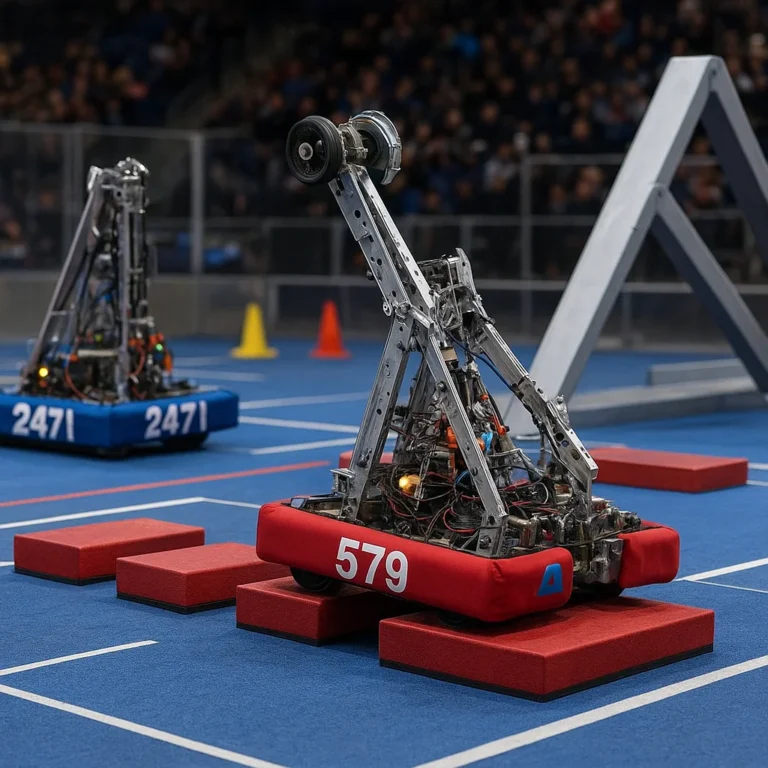
What it is: The granddaddy of high school robotics competitions! FRC challenges teams of students to design, build, and program industrial-sized robots (up to 125 lbs!) to play a complex field game. It’s often called “the hardest fun you’ll ever have.”
Why it’s awesome: The energy at an FRC regional or championship event is palpable. Imagine a rock
concert mixed with a high-stakes sporting event, but with robots! It’s a fantastic way to experience robot design, programming robots, and teamwork under pressure.
Benefits: ✅ Unparalleled learning experience in engineering
, programming, and project management. ✅ Strong community and mentorship opportunities. ✅ Significant scholarships available for participants.
Drawbacks: ❌ Can be resource-intensive for new teams. ❌ Steep learning curve for beginners.
Shop
FIRST Robotics parts on:
- AndyMark: AndyMark Official Website
- REV Robotics: REV Robotics Official Website
- VEX Robotics World Championship
What it is: The world’s largest robotics competition, encompassing multiple programs for different age groups (VEX IQ for elementary/middle school, VEX V5 for middle/high school, and VEX U for college). Teams build robots using the VEX platform to compete in alliance-based games.
Why it’s awesome: The sheer scale of the VEX Worlds is mind-boggling, with thousands of teams
converging to compete. It’s a fantastic showcase of accessible robotics and strategic game-play.
Benefits: ✅ Scalable for various age groups. ✅ Robust and widely available VEX platform. ✅ Strong emphasis on student-led design and
programming.
Drawbacks: ❌ Can feel repetitive with similar game objectives year after year. ❌ Intense competition at higher levels.
👉 Shop VEX Robotics products on:
- VEX Robotics: VEX Robotics Official Website
- Amazon: Amazon VEX Robotics Search
3. RoboCup: The
Soccer Showdown
What it is: An international scientific initiative with the goal of advancing artificial intelligence and robotics through the challenge of robot soccer. Multiple leagues exist, including humanoid robots, wheeled robots, and even rescue
robots.
Why it’s awesome: This is where cutting-edge AI meets the beautiful game. Watching autonomous humanoid robots try to score a goal is both fascinating and a little bit hilarious at times. Remember the “Go! Go! Go
!” chants from the world’s first Humanoid Robot Games in Beijing? That spirit of competition and pushing the boundaries of what humanoids can do is alive and well at RoboCup!
Benefits: ✅ Drives fundamental research in AI, computer vision, and robot locomotion. ✅ High-level academic and research focus. ✅ Diverse range of robot platforms.
Drawbacks: ❌ Highly technical and research-oriented,
less accessible for casual participants. ❌ Robots can sometimes be… less than graceful.
Learn more about RoboCup: RoboCup Official Website
4. DARPA
Robotics Challenge Legacy Events
What it is: While the original DARPA Robotics Challenge (DRC) concluded, its legacy lives on in various academic and research challenges focused on disaster response and complex manipulation tasks. The DRC itself pushed the boundaries of **
autonomous robots** in hazardous environments.
Why it’s awesome: These events tackle real-world problems, pushing robots to perform tasks that are dangerous or impossible for humans. It’s serious engineering with serious implications for humanity.
Benefits
: ✅ Focus on practical applications and humanitarian robotics. ✅ Drives innovation in complex robot manipulation and navigation. ✅ Collaboration between academia, industry, and government.
Drawbacks: ❌ Not a regular, public competition series. ❌ Extremely
high technical barrier to entry.
Explore DARPA’s robotics initiatives: DARPA Robotics Search
5. BattleBots: The Gladi
atorial Arena of Engineering
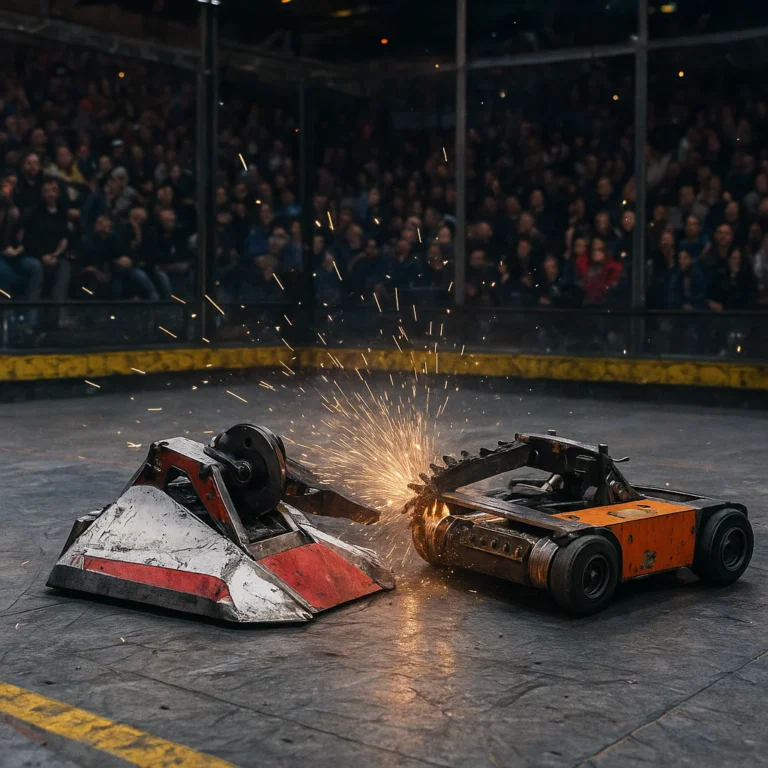
What it is: The ultimate robot combat spectacle! Teams design and build heavily armored, weaponized robots to fight to the death (or at least until incapacitated) in a bulletproof arena.
Why it’
s awesome: Explosions! Sparks! Flying shrapnel! BattleBots is pure, unadulterated entertainment and a testament to extreme robot design and durability. It’s a masterclass in mechanical engineering and materials science. We
‘ve seen some truly ingenious weapon designs over the years – who could forget the legendary “Tombstone” or the flipper king “Bronco”?
Benefits: ✅ High entertainment value. ✅ Encourages robust mechanical design and material
science. ✅ Strong community of builders and fans.
Drawbacks: ❌ Very expensive to build competitive bots. ❌ High risk of robot destruction. ❌ Not focused on educational outcomes in the traditional sense.
Watch BattleBots: BattleBots Official Website
👉 Shop robot combat parts on:
- FingerTech Robotics: FingerTech Robotics Official Website
- Bot
Kits: BotKits Official Website
6. World Robot Summit
What it is: An international exhibition and competition that brings together the world’s leading robot technologies
and human resources. It covers a broad range of challenges, from industrial robotics to service robots and disaster response.
Why it’s awesome: Think of it as the Olympics for robots, showcasing the pinnacle of global robotic innovation across various
sectors. It’s a fantastic place to see the future of agricultural robotics and robot ethics and safety in action.
Benefits: ✅ Comprehensive showcase of diverse robotic applications. ✅ Fosters international collaboration and technological exchange. ✅ High
-level industry and academic participation.
Drawbacks: ❌ Less focused on student-level competition. ❌ Primarily a professional and research event.
Learn more about the World Robot Summit: World Robot Summit Official Website
7. Eurobot
What it is: A European-wide amateur robotics contest for teams of young people, from students to independent clubs. Teams build autonomous robots to complete a set
of tasks on a playing field, with a new theme each year.
Why it’s awesome: Eurobot is a fantastic platform for young European engineers to develop their skills in autonomous robots and robot design. The themes
are always creative and challenging, leading to innovative solutions.
Benefits: ✅ Accessible for students and amateur enthusiasts. ✅ Strong focus on autonomous navigation and task execution. ✅ Promotes international exchange within Europe.
Drawbacks: ❌ Primarily European
focus. ❌ Can be challenging for teams without prior experience.
Explore Eurobot: Eurobot Official Website
8. RoboGames
What it is: B
illed as the “Olympics of Robots,” RoboGames hosts a massive array of robot competitions, from combat robots (like BattleBots, but with more weight classes!) to robot soccer, sumo, art bots, and even humanoids running races
.
Why it’s awesome: If you want to see every kind of robot competition under one roof, RoboGames is it. It’s a celebration of robotic diversity and pure mechanical mayhem. We’ve personally seen
some truly bizarre and brilliant creations here!
Benefits: ✅ Unparalleled variety of robot challenges. ✅ Open to enthusiasts of all skill levels. ✅ Strong emphasis on innovation and creativity.
Drawbacks: ❌ Can be overwhelming due
to the sheer number of events. ❌ Less structured educational program compared to FIRST or VEX.
Discover RoboGames: RoboGames Official Website
9. NASA Robotic
Mining Competition
What it is: A collegiate competition where university students design and build a robot capable of traversing simulated Martian terrain and excavating regolith (loose soil and dust) for collection.
Why it’s awesome: This
challenge directly addresses real-world problems in space exploration and autonomous robots. It’s a fantastic way to apply engineering principles to a truly out-of-this-world scenario.
Benefits: ✅ Direct application of engineering to space exploration. ✅
Develops skills in robot design, autonomous systems, and resource extraction. ✅ Networking opportunities with NASA engineers.
Drawbacks: ❌ Highly specialized competition. ❌ Requires significant resources and technical expertise.
Learn about NASA R
MC: NASA RMC Search
10. IEEE Global Robotics Conference
What it
is: A premier international forum for presenting and discussing new research results and developments in the field of robotics. While not a “competition” in the traditional sense, it’s a critical event for the robotics community.
Why
it’s awesome: This is where the leading minds in robotics share their latest breakthroughs. It’s a glimpse into the bleeding edge of AI, machine learning, and advanced robotic systems. If you’re serious about the future of
robotics, this is a must-attend.
Benefits: ✅ Access to cutting-edge research and academic insights. ✅ Networking with top researchers and industry professionals. ✅ Influences the direction of future robotic development.
Drawbacks:
❌ Academic and research-focused, less hands-on competition. ❌ Can be highly technical for non-specialists.
Explore IEEE Robotics & Automation Society: IEEE RAS Official Website
11. RoboNation Events
What it is: RoboNation hosts a suite of competitions focused on various real-world challenges, particularly in maritime and aerial robotics. These include RoboBoat, RoboSub, and RoboMaster
(though RoboMaster is also a DJI event).
Why it’s awesome: These events push the boundaries of autonomous robots in challenging environments like underwater and air. They require robust robot design and sophisticated control systems.
Benefits: ✅ Focus on practical, real-world applications. ✅ Excellent for developing skills in marine and aerial robotics. ✅ Strong emphasis on autonomous navigation and sensing.
Drawbacks: ❌ Can be resource-intensive due to
specialized hardware. ❌ Requires expertise in specific domains (e.g., hydrodynamics, aerodynamics).
Discover RoboNation: RoboNation Official Website
12. Tech
Crunch Disrupt: Robotics Track
What it is: While TechCrunch Disrupt is a broader startup conference, it often features a dedicated “Robotics Track” or highlights robotics startups in its renowned “Startup Battlefield.”
Why it’s awesome: This
is where you see the commercial side of robotics – the next big ideas, the innovative startups, and the potential disruptors in the market. It’s less about competition and more about showcasing innovation and attracting investment.
Benefits: ✅ G
limpse into the commercial future of robotics. ✅ Networking with investors, entrepreneurs, and tech media. ✅ Opportunity to see groundbreaking product launches.
Drawbacks: ❌ Not a traditional robotics competition. ❌ Focus is on business and innovation
, not hands-on building.
Check out TechCrunch Robotics coverage: TechCrunch Robotics Search
13. Maker Faire: The DIY Robotics Hub
What it
is: A family-friendly festival of invention, creativity, and resourcefulness, and a celebration of the Maker Movement. While not solely robotics-focused, Maker Faires always feature an incredible array of DIY robots, combat bots, and interactive
robotic projects.
Why it’s awesome: Maker Faire is incredibly inspiring! It’s where you see the passion project come to life, from intricate animatronics to small-scale robot combat. It’s a great place to get
ideas and connect with the broader maker community.
Benefits: ✅ Highly accessible and inclusive. ✅ Showcases creativity and DIY spirit. ✅ Great for networking with local makers and enthusiasts.
Drawbacks: ❌ Not a structured competition.
❌ Quality and complexity of robotics projects can vary widely.
Find a Maker Faire near you: Maker Faire Official Website
14. Autonomous Vehicle Challenges
What it is: A variety
of competitions, often university-based, focused on the development of self-driving cars, drones, or other autonomous vehicles. Examples include the Indy Autonomous Challenge and various student formula racing competitions with autonomous categories.
Why it’s awesome
: These challenges are at the forefront of autonomous robots and machine learning in real-world environments. They push the boundaries of perception, navigation, and decision-making for vehicles.
Benefits: ✅ Direct application to a
rapidly growing industry. ✅ Develops advanced skills in AI, computer vision, and control systems. ✅ High-stakes, real-world problem-solving.
Drawbacks: ❌ Extremely complex and resource-intensive. ❌ Requires specialized
knowledge in vehicle dynamics and AI.
Learn about the Indy Autonomous Challenge: Indy Autonomous Challenge Official Website
15. Local High School and University Leagues
**
What it is:** Beyond the major national and international events, countless local leagues, hackathons, and club competitions take place at high schools, universities, and community centers. These might be smaller-scale VEX tournaments, robot sumo events, or custom-
designed challenges.
Why it’s awesome: These local events are often the entry point for many aspiring roboticists. They offer a low-pressure environment to learn, experiment, and gain valuable experience before tackling the bigger stages. We
‘ve mentored many a student through their first local sumo bot competition, and the excitement is just as real!
Benefits: ✅ Accessible and beginner-friendly. ✅ Great for building foundational skills and confidence. ✅ Strong local community support.
Drawbacks: ❌ Smaller scale and less prestige than national events. ❌ May have fewer resources or advanced equipment.
Search for local robotics clubs and events: Google Search for “local robotics competitions”
🛠️ How to Prepare Your Team for a Robotics Event: A Step-by-Step Guide
So, you’ve decided to dive into the thrilling world of robot events? Fantastic! But let’s be honest
, showing up with a half-baked bot and a prayer isn’t exactly a recipe for success. We’ve seen teams soar and teams… well, let’s just say they learned some valuable lessons. From our years of experience at
Robot Instructions™, here’s our definitive guide to getting your team ready to rock the competition!
Step 1: Understand the Game, Inside and Out 🧠
This might sound obvious, but you’d be surprised how many teams skim
the rules. Read the game manual multiple times. Seriously. Every single word.
-
Initial Read-Through: Get a general understanding of the objectives, scoring, and basic robot rules.
-
Detailed Analysis:
Break down every rule. What are the scoring opportunities? What are the penalties? What are the robot specifications (size, weight, materials)? ✅ Missing a critical rule can lead to disqualification or a robot that can’t even compete! -
Strategy Brainstorming: Once you know the rules, start thinking about potential strategies. What are the high-value tasks? What are the easiest points to score? What are your opponents likely to do? This is where
your competitive robotics journey truly begins.
Step 2: Design Your Robot (and Iterate!) 🎨
This is where the magic happens! Robot design is an iterative process. Don’t expect perfection on the
first try.
- Conceptual Design: Sketch out ideas. What mechanisms will you need to achieve your chosen strategy? Consider different approaches for locomotion, manipulation, and scoring. Will you need a powerful drivetrain or a delicate gripper?
CAD (Computer-Aided Design): Use software like Autodesk Fusion 360 or SolidWorks to create a virtual model of your robot. This helps identify potential conflicts, test clearances, and plan your build. This is crucial
for complex robot builders!
- Prototyping: Build small, functional models of key mechanisms using inexpensive materials (cardboard, LEGOs, VEX parts). Test your ideas before committing to expensive materials or complex fabrication
. - Refinement: Based on your prototypes and CAD, refine your design. What worked? What didn’t? What can be improved? Remember, even the most advanced autonomous systems go through rigorous testing and refinement.
Step 3: Build with Precision and Durability 💪
A brilliant design is useless if your robot falls apart on the field.
- Quality Materials: Invest in good quality materials and components. We’ve seen too many dreams
shattered by cheap fasteners or flimsy structural elements. - Robust Construction: Ensure all connections are secure. Use lock nuts, thread locker, and proper joint reinforcement. Your robot will take a beating, especially in events like BattleBots or even aggressive
FRC matches! - Accessibility: Design for ease of maintenance. Can you quickly replace a motor or fix a broken wire during a competition? Time is precious in the pit!
- Weight Management: Keep a close eye on your
robot’s weight. Going over the limit is an instant ❌. Use lightweight materials where possible without sacrificing strength.
Step 4: Program Your Bot for Success 💻
The brain of your robot is its code. This
is where programming robots truly shines.
- Choose Your Language: Most platforms support C++, Python, or block-based programming. Choose what your team is most comfortable with, but be open to learning new languages.
Modular Code: Write clean, modular code. Break down complex tasks into smaller, manageable functions. This makes debugging much easier.
- Driver Control: Develop intuitive and responsive driver control. Practice, practice, practice with your drivers! Communication
between drivers and human players is key. - Autonomous Mode: This is often the difference-maker. Program your robot to perform critical tasks without human intervention. This involves sensors, precise movements, and decision-making logic. This
is where machine learning can really give you an edge, especially in events like RoboCup! - Testing and Debugging: This is the most time-consuming part. Test every function, every sensor, every movement. Identify
bugs and fix them systematically. Don’t wait until the last minute!
Step 5: Practice, Practice, Practice! 🎯
You wouldn’t go to a sports championship without practicing, would you? The same applies to robot
events.
- Driver Practice: Your drivers need to be intimately familiar with the robot’s controls and capabilities. Set up a practice field and run through game scenarios repeatedly.
- Autonomous Testing: Test your autonomous routines
dozens, if not hundreds, of times. Ensure consistency and reliability. Account for variations in lighting, field conditions, and starting positions. - Strategy Refinement: Practice your game strategy. How will your robot interact with alliance partners? What
are the best defensive and offensive plays? - Pit Crew Drills: Practice quick repairs and maintenance. Can your team swap out a motor or battery in under a minute? Time saved in the pit is time gained on the field.
Step 6: Documentation and Presentation 📝
Many competitions include awards for documentation, engineering notebooks, and team presentations.
- Engineering Notebook: Document your entire design and build process. Include sketches, CAD models, code snippets, test
results, and reflections. This demonstrates your engineering process. - Team Presentation: Prepare a concise and engaging presentation about your robot, your team, and your journey. Practice delivering it confidently.
- Branding: Develop
a team identity, including a logo and team shirts. This adds to your professionalism and team spirit.
By following these steps, you’ll not only build a competitive robot but also a highly skilled and cohesive team ready to tackle any challenge. Remember
, the journey is just as important as the destination!
📜 Decoding the Rules: Understanding Competition Regulations and Safety
Standards
Alright, aspiring roboticists, let’s talk about the elephant in the arena: the rules. We know, we know, reading through dense rulebooks isn’t exactly the most thrilling part of building a robot. But trust us,
ignoring or misinterpreting the regulations is a surefire way to turn a potential victory into a frustrating disqualification. It’s like trying to play chess without knowing how the knights move – a recipe for disaster!
From our vantage
point at Robot Instructions™, we’ve seen countless teams, both novice and experienced, stumble over rule interpretations. The truth is, understanding competition regulations is just as critical as your robot’s design or your team’s programming prowess
. And let’s not forget robot ethics and safety – these aren’t just guidelines; they’re non-negotiable foundations for a fair and secure event.
The Rulebook: Your Robot Bible 📖
Every major
robotics competition, be it FIRST, VEX, or RoboCup, publishes a comprehensive game manual or rulebook. This document is your primary source of truth.
- Specificity is Key: These manuals are meticulously crafted. Pay attention
to every detail: exact dimensions, weight limits, material restrictions, power source requirements, and robot-to-robot interaction rules. For instance, in VEX Robotics, “When hanging field skirts, the VEX Robotics logo and brand name
must remain visible and cannot be covered on competition fields.” Missing such a detail could lead to issues. - Updates and Q&A: Rulebooks are often living documents. Organizations frequently release updates, clarifications
, and Q&A forums. Stay subscribed to official communications! A rule clarification released mid-season could completely change your strategy or even invalidate a part of your robot design. - Interpretation is a Team Sport: Don’
t rely on just one person’s interpretation. Discuss ambiguous rules as a team, and if still unclear, utilize official Q&A platforms provided by the competition organizers. This ensures a shared understanding and reduces the risk of missteps.
Nav
igating Robot Specifications and Field Elements 📏
Every competition has strict specifications for your robot and how it interacts with the field.
- Size and Weight: These are almost always non-negotiable. Measure your robot constantly during the
build process. A robot that’s 1/8th of an inch too tall can be devastating. - Material Restrictions: Some competitions limit certain materials (e.g., no pneumatics above a certain pressure, no hazardous materials). This is crucial for robot ethics and safety.
- Field Interaction: How can your robot interact with game pieces? Can it cross certain lines? Are there “safe zones” or “no-go zones”? Understanding these interactions
is vital for developing effective autonomous systems and driver strategies.
Safety First, Always! ⛑️
This isn’t just about avoiding penalties; it’s about protecting people and property.
- Personal
Protective Equipment (PPE): In the pit area and during testing, ensure your team uses appropriate PPE – safety glasses are almost universally required. Closed-toe shoes are a must. - Power Tools and Machinery: Proper training and supervision
are essential when using power tools, 3D printers, or any workshop machinery. Accidents happen, but they can be minimized with strict safety protocols. - Robot Handling: Large robots can be heavy and powerful. Always use proper lifting techniques and
ensure robots are secured when not in use. In combat robotics, safety cages and strict arming/disarming procedures are paramount. - Battery Safety: Lithium-ion batteries, common in many robots, require careful handling, charging, and storage
to prevent fires or explosions. - Emergency Procedures: Know the emergency exits, first aid stations, and who to contact in case of an incident at the event.
Fair Play and Gracious Professionalism 🤝
Beyond the
technical rules, many competitions, especially those like FIRST, emphasize “Gracious Professionalism” and “Coopertition.”
- Respect Your Opponents: Compete fiercely, but always with respect. Help other teams if they
‘re struggling, share knowledge, and celebrate everyone’s successes. This fosters a positive robotics community. - Respect the Volunteers and Judges: These individuals dedicate their time to make the event possible. Treat them with courtesy
and respect their decisions. - Integrity: Play by the spirit of the rules, not just the letter. Avoid loopholes that undermine the intent of the game.
By meticulously studying the rules and prioritizing safety, your team won
‘t just avoid pitfalls; you’ll gain a deeper understanding of the game, which in turn will inform better robot design and more robust strategies. So, grab that rulebook, brew some coffee, and let’s get decoding
!
💰 Budgeting for Bot Battles: Costs, Sponsorships, and Grants
Let’s face it
, building awesome robots isn’t always cheap. From motors and sensors to custom fabricated parts and travel expenses, the costs associated with competitive robotics can quickly add up. We’ve seen teams with incredible ideas struggle because they didn’t have
the financial backing, and that’s a real shame. Here at Robot Instructions™, we believe that financial constraints shouldn’t be the barrier to entry for aspiring engineers. So, how do you navigate the sometimes-daunting financial landscape of robot events
? Let’s talk money, sponsorships, and grants!
The Real Cost of Competitive Robotics 💸
The expenses can vary wildly depending on the competition and your team’s ambitions.
- Registration Fees: Most major competitions have
registration fees. For example, “Beginning in the 2025-2026 season, the REC Foundation will collect $10 per team registration (increased from $5) on all Signature Events.” These fees often cover event logistics, field setup, and administrative costs. - Robot Parts and Materials: This is typically the largest expense. A basic VEX V5 kit can be a significant investment, while custom F
RC robots require hundreds, if not thousands, of dollars in raw materials, motors (like those from REV Robotics or AndyMark), electronics, and specialized components. - Tools and Equipment: A well-equipped workshop is
essential. This includes everything from hand tools and power tools to 3D printers (like the Prusa i3 MK4 or Bambu Lab P1S) and CNC machines. - Travel and Accommodation: If
your team qualifies for regional, national, or international events, travel expenses for flights, hotels, and food can be substantial. - Team Swag: T-shirts, banners, and other branding materials contribute to team spirit but
also add to the budget. - Mentorship and Training: While many mentors volunteer their time, sometimes specialized training or workshops might incur costs.
The Power of Sponsorships: Finding Your Financial Allies 🤝
Sponsorships are the
lifeblood of many successful robotics teams. Think of it as a win-win: companies get exposure and support STEM education, and your team gets the funds to build awesome robots.
- Identify Potential Sponsors: Look for local businesses
, engineering firms, manufacturing companies, and tech companies. Don’t overlook smaller, community-focused businesses. Think about companies whose values align with STEM or education. - Craft a Compelling Proposal:
Introduction:** Who are you? What is your team’s mission?
- The Competition: Briefly explain the event and its benefits (e.g., STEM education, robot design skills, teamwork).
Your Ask: Clearly state what you need (e.g., X amount of dollars, specific parts, workshop space).
- What’s In It for Them?: This is crucial! Offer logo placement on your robot
, team shirts, website, social media shout-outs, presentations at their company, or even community outreach events. - Budget Breakdown: Provide a clear, itemized budget showing exactly how their money will be used.
Personalize Your Approach:** A generic email won’t cut it. Research the company and tailor your proposal to their interests. A personal visit or phone call can make a huge difference.
- Follow Up and Maintain Relationships: Don
‘t just disappear after you get the money! Send regular updates, invite sponsors to your events, and thank them profusely. A long-term relationship is invaluable.
Grants: Tapping into Funding Opportunities 📝
Many organizations offer grants specifically
for STEM education and robotics teams.
- Robotics Organizations: Organizations like the FIRST Robotics Competition and VEX Robotics often have grant programs or lists of available grants from their partners.
- Government and
Educational Grants: Check with local, state, and national education departments or science foundations. Many have initiatives to promote STEM. - Corporate Foundations: Large corporations often have philanthropic foundations that award grants. Research companies like Google, **Amazon
**, Microsoft, and Boeing for their grant opportunities. - Application Process: Grant applications can be detailed and require significant effort. Pay close attention to eligibility criteria, deadlines, and required documentation. A well-written grant
application can secure substantial funding.
Creative Fundraising Ideas 💡
Beyond traditional sponsorships and grants, get creative!
- Crowdfunding: Platforms like GoFundMe or Kickstarter can be effective, especially if you have a compelling
story and a strong social media presence. - Community Events: Host car washes, bake sales, trivia nights, or even small robot demonstration events in your community.
- School Support: Work with your school administration for
funding, facility use, or fundraising assistance. - Parent/Guardian Support: Engage parents and guardians; they can be invaluable volunteers for fundraising efforts.
Remember, managing your budget is an ongoing process. Track your expenses meticulously, seek
out every possible funding avenue, and don’t be afraid to ask for help. With a solid financial plan, your team can focus on what truly matters: building incredible robots and learning invaluable skills!
🌍 Virtual vs. In-Person: The Evolution of Remote Robotics Events
The world changed, and so did robot events! We’
ve all experienced the shift, haven’t we? From the electrifying roar of a packed arena to the quiet hum of a robot operating remotely in a living room, the landscape of competitive robotics has seen a fascinating evolution. At Robot Instructions™,
we’ve been right there, adapting, innovating, and observing how the robotics community has embraced both the challenges and opportunities presented by virtual and hybrid formats.
For decades, in-person robot events were the gold standard. And
for good reason!
- Unmatched Energy: There’s nothing quite like the palpable excitement of a live competition. The cheers, the groans, the collective gasp when a robot pulls off an impossible maneuver – it’s an experience
that truly inspires. - Direct Interaction: Face-to-face networking with other teams, mentors, judges, and industry professionals is invaluable. It fosters collaboration, sparks new ideas, and builds lasting connections.
- Hands
-On Learning: The ability to physically interact with robots, troubleshoot on the fly in the pit, and see diverse robot design up close offers a rich, tactile learning experience. - Fair Play: Having all teams on
the same field, under the same conditions, ensures a level playing field.
However, the past few years forced a rapid pivot, pushing the boundaries of what a “robot event” could be. Enter the virtual robotics event.
Accessibility:** Suddenly, geographical barriers melted away. Teams from remote areas or those with limited travel budgets could participate. This significantly broadened the reach of STEM education and competitive robotics.
- New Skill Sets: Virtual events often
require different skill sets, such as advanced simulation, remote robot control, and robust communication protocols. Teams learned to program robots to operate autonomously or be controlled via sophisticated teleoperation setups. - Innovation in Software: The demand for reliable
simulation platforms (like VEXcode VR or Robot Simulator software) and remote monitoring tools skyrocketed, driving innovation in robot programming and machine learning for virtual environments. - Cost Reduction: For participants
, virtual events often eliminate travel, accommodation, and sometimes even significant hardware costs, making them more financially accessible.
The Hybrid Future? 🤔
Now that the world is largely open again, what does the future hold? We believe it
‘s a hybrid model that leverages the best of both worlds.
- Virtual Components for Inclusivity: Pre-qualifying rounds, design presentations, or even certain technical challenges could remain virtual, allowing a broader pool of teams to
participate and showcase their skills. - In-Person for the Thrill: The main competition rounds, especially for events like FIRST, VEX Worlds, or BattleBots, will likely remain in-person to preserve the excitement, direct interaction,
and hands-on troubleshooting that makes them so special. - Enhanced Streaming and Digital Engagement: Even for in-person events, the lessons learned from virtual events will lead to better live-streaming, interactive online platforms, and digital
content that allows a global audience to follow the action more closely.
Consider the “Robot Combat League National Championship” or “RABID Presents: Immersecon Invasion”. While these are undeniably in-person spectacles
, imagine if they offered virtual “pit tours” or behind-the-scenes interviews accessible online. The engagement would be through the roof!
The evolution of robot events is a testament to the adaptability and ingenuity of the robotics community itself. We’re
excited to see how these formats continue to merge and innovate, offering even more ways for enthusiasts to engage with the incredible world of robots.
🎓 Educational Impact: How Robot Events Shape Future Engineers
Have you ever wondered what truly sparks a lifelong passion for science and technology? We at Robot Instructions™ have seen it countless times: it’s often that first moment a
student sees a robot they helped build move, or when their code brings a machine to life. Robot events aren’t just about winning trophies; they are powerful, transformative educational experiences that are literally shaping the next generation of engineers, scientists
, and innovators.
Beyond the Classroom: Learning by Doing ✅
Traditional classroom learning is essential, but robot events offer something more profound: experiential learning.
- Applied Knowledge: Students take theoretical concepts from physics, mathematics
, and computer science and apply them directly to a tangible project. Suddenly, trigonometry isn’t just an abstract concept; it’s essential for calculating a robot’s trajectory or arm movement. - Problem-Solving Skills: Every
robot event is a giant, complex problem to solve. From interpreting game rules to troubleshooting a malfunctioning sensor, students are constantly engaged in critical thinking and creative problem-solving. This is the essence of engineering challenges. - Teamwork
and Collaboration: Robotics is rarely a solo endeavor. Teams learn to collaborate, delegate tasks, resolve conflicts, and communicate effectively – soft skills that are invaluable in any professional setting. - Project Management: Students learn about deadlines, resource allocation,
budgeting (as we discussed!), and managing a multi-faceted project from conception to completion.
Cultivating Key STEM Skills 🔬
The skills gained through participation in competitive robotics are directly transferable to high-demand careers.
Robot Design and Fabrication:** Students gain hands-on experience with CAD software, 3D printing, machining, and assembly, developing practical skills in mechanical engineering.
-
Programming and Software Development: Learning to program robots in languages like C++,
Python, or Java provides a strong foundation in software engineering, crucial for autonomous systems and machine learning. -
Electrical Engineering: Wiring circuits, understanding sensors, and managing power systems introduce students to fundamental electrical engineering principles.
-
Data Analysis: Analyzing robot performance data, optimizing strategies, and iterating on designs involves basic data analysis and scientific method.
Inspiring Future Innovators and Leaders 🌟
The impact extends beyond technical skills.
- Confidence
and Resilience: Facing challenges, overcoming failures, and ultimately achieving success builds immense confidence and resilience. We’ve seen shy students transform into confident presenters and leaders through their robotics journey. - Mentorship: The interaction with professional mentors (engineers, scientists, programmers) provides real-world insights and career guidance, often leading to internships and future opportunities.
- Career Pathways: Many participants go on to pursue degrees and careers in robotics, aerospace, computer science, and
other STEM fields. Events like the NASA Robotic Mining Competition directly feed into space exploration careers. - Global Citizenship: International events like the VEX Robotics World Championship or RoboCup foster cross-cultural understanding and
collaboration, preparing students for a globalized workforce.
Anecdotally, we remember a student named Alex who joined our local VEX team. Alex was quiet, struggled with public speaking, and initially felt overwhelmed by the complexity of robot building
. But through the process of designing a unique intake mechanism, debugging code late into the night, and presenting his team’s work to judges, Alex blossomed. By his senior year, he was leading the programming sub-team, confidently explaining
complex algorithms, and had secured a scholarship to a top engineering university. That’s the power of robot events!
In essence, robot events are not just extracurricular activities; they are dynamic learning environments that ignite curiosity, develop critical skills, and inspire
a generation to tackle the complex challenges of tomorrow. They are truly shaping the future, one robot at a time.
🏅 Signature Event Updates: What’s New in the 2024-2025 Season
For those deeply embedded in the VEX Robotics ecosystem, Signature Events are
a big deal. They’re premier tournaments that offer unique opportunities and often serve as crucial stepping stones to the World Championship. Here at Robot Instructions™, we always keep our ears to the ground for the latest updates, because staying informed is key to success
! Based on recent announcements from the REC Foundation, there are some notable changes rolling out for the 2025-2026 season that you absolutely need to be aware of.
Host
Eligibility Requirements: Experience Matters! 🏆
Good news for seasoned event partners, but a heads-up for newcomers:
-
Increased Experience: “Event Partners must have hosted events for at least 2 seasons prior to applying to
host a Signature Event.” This change emphasizes the importance of experience in running high-quality events. It ensures that Signature Events are managed by those with a proven track record, leading to a smoother and more professional experience for participants. -
Our Take: This is a positive move. Signature Events draw a lot of attention and require significant logistical prowess. Ensuring experienced hosts means better-run events, which benefits everyone involved, from the teams to the volunteers.
Branding and Field Specifications: Look the Part! ✨
Details matter, especially when it comes to branding and presentation.
-
Official Banners: “Signature Events are required to use officially branded award banners for the Excellence Award and Tournament/
Teamwork Champions Award.” This standardizes the recognition of top teams and reinforces the professional image of the VEX Robotics program. -
Field Skirts Visibility: “When hanging field skirts, the VEX Robotics logo
and brand name must remain visible and cannot be covered on competition fields.” This is a minor but important detail for maintaining brand consistency and visibility for sponsors like VEX Robotics. -
Pit Size Adjustment
: The minimum pit size has been reduced from 10’x10′ to 8’x8′. This is a practical change that can allow events to accommodate more teams or utilize space more efficiently. -
Our Take: These branding updates ensure a consistent, high-quality look and feel across all Signature Events, enhancing the overall participant experience. The pit size adjustment is a smart move, offering more flexibility for event organizers.
Registration and Capacity Rules: More Opportunities! 📈
For VEX V5 teams, there’s a welcome change that could open more doors.
- Capacity Lift for V5: “For VEX V5 Robotics Competition Signature Events,
regional capacity and maximum per-organization restrictions may be lifted 8 weeks before the event if the event is not full.” This mirrors the existing protocol for VEX IQ Robotics Competition Signature Events. - Our
Take: This is a fantastic development! It means that if a V5 Signature Event isn’t full closer to the date, more teams (even those from outside the typical regional restrictions or with multiple teams from one organization) will have a chance to
register. This increases participation and competition, which is always a good thing for the robotics community.
Fee Adjustments: Supporting Staff, Supporting Events 💲
There’s a slight increase in fees, but for a good cause
.
- Increased Fee: “Beginning in the 2025-2026 season, the REC Foundation will collect $10 per team registration (increased from $5) on all Signature Events
.” - Reason: This increase is “to help offset travel costs for REC Foundation staff to support these larger events.”
- Our Take: While any fee increase might
raise an eyebrow, the rationale is sound. Having REC Foundation staff present at these larger, more complex events ensures smooth operations, consistent rule enforcement, and a high-quality experience. It’s an investment in the overall success and integrity of
the competition.
These updates demonstrate the REC Foundation’s commitment to continuously improving the VEX Robotics competition experience. As a team, staying abreast of these changes is not just good practice; it’s a strategic advantage that can impact your planning
, budgeting, and competitive edge. So, make sure your team is aware of these adjustments as you gear up for the upcoming seasons!
📝 Signature Event Application Reminders: Deadlines and Requirements
Thinking of hosting a VEX Robotics Signature Event? That’s a fantastic ambition! Signature Events are pivotal in the competitive robotics calendar, offering teams a high-stakes
, high-reward experience. However, applying to host one isn’t as simple as just raising your hand. There are specific deadlines, stringent requirements, and a meticulous application process to navigate. From our experience at Robot Instructions™, we can
tell you that preparation is key – both for competing teams and for potential event partners!
The REC Foundation, which oversees VEX Robotics competitions, has clear guidelines for those aspiring to host these prestigious events. Ignoring these reminders could mean missing out on the opportunity
to bring a Signature Event to your community.
Key Application Reminders for Aspiring Hosts 📅
- Experience is Paramount: As highlighted in the Signature Event Updates, “Event Partners must have hosted events for at least 2
seasons prior to applying to host a Signature Event.” This isn’t just a suggestion; it’s a hard requirement. The REC Foundation wants to ensure that hosts have a proven track record of successfully managing
VEX events, from logistics to volunteer coordination and field management. - Application Deadlines: While specific dates can vary year-to-year, applications typically open and close well in advance of the competition season. Always check the official REC
Foundation website for the most current deadlines. Missing a deadline, even by an hour, usually means waiting another year. - Detailed Event Plan: Your application will likely require a comprehensive plan outlining:
- Venue Details
: Size, capacity, accessibility, and facilities. - Staffing Plan: How many volunteers will you need? What roles will they fill? How will they be trained?
- Field Setup: Number of fields
, pit area layout (remember the new 8’x8′ minimum pit size!), and spectator areas. - Logistics: Registration process, scheduling, awards ceremony, and emergency protocols.
Budget: A detailed financial plan, including how you will cover costs and manage the increased $10 per team registration fee collected by the REC Foundation.
- Technical Capabilities: You’ll
need to demonstrate that you have the necessary equipment (fields, scoring systems, networking) and technical support to run a large-scale event. - Commitment to REC Foundation Standards: This includes adhering to all branding guidelines (like keeping the VEX Robotics logo visible on field skirts), safety protocols, and the overall spirit of Gracious Professionalism.
- Communication Plan: How will you communicate with registered teams, volunteers, and the REC Foundation
? Clear and timely communication is crucial for a successful event.
Why Host a Signature Event? The Benefits! 🌟
Despite the rigorous application process, hosting a Signature Event offers significant rewards:
- Elevated Status: It brings prestige
to your organization, school, or region within the robotics community. - Increased Exposure: Attracts top teams and talent, drawing more attention to your local robotics programs and initiatives.
- Community Engagement:
Provides an incredible opportunity to engage your local community, inspire students, and attract new volunteers and sponsors. - Direct Impact: You play a direct role in fostering STEM education and providing a platform for students to showcase their hard
work and skills.
If you’re considering applying, our best advice is to start early, gather a dedicated team, and meticulously review every requirement. Reach out to experienced Event Partners for advice, and don’t hesitate to contact the REC Foundation directly
with any questions. Hosting a Signature Event is a challenging but incredibly rewarding endeavor that truly makes a difference in the world of robot events!